

Should I Wake My Newborn to Feed? A Clear Guide for Exhausted Parents
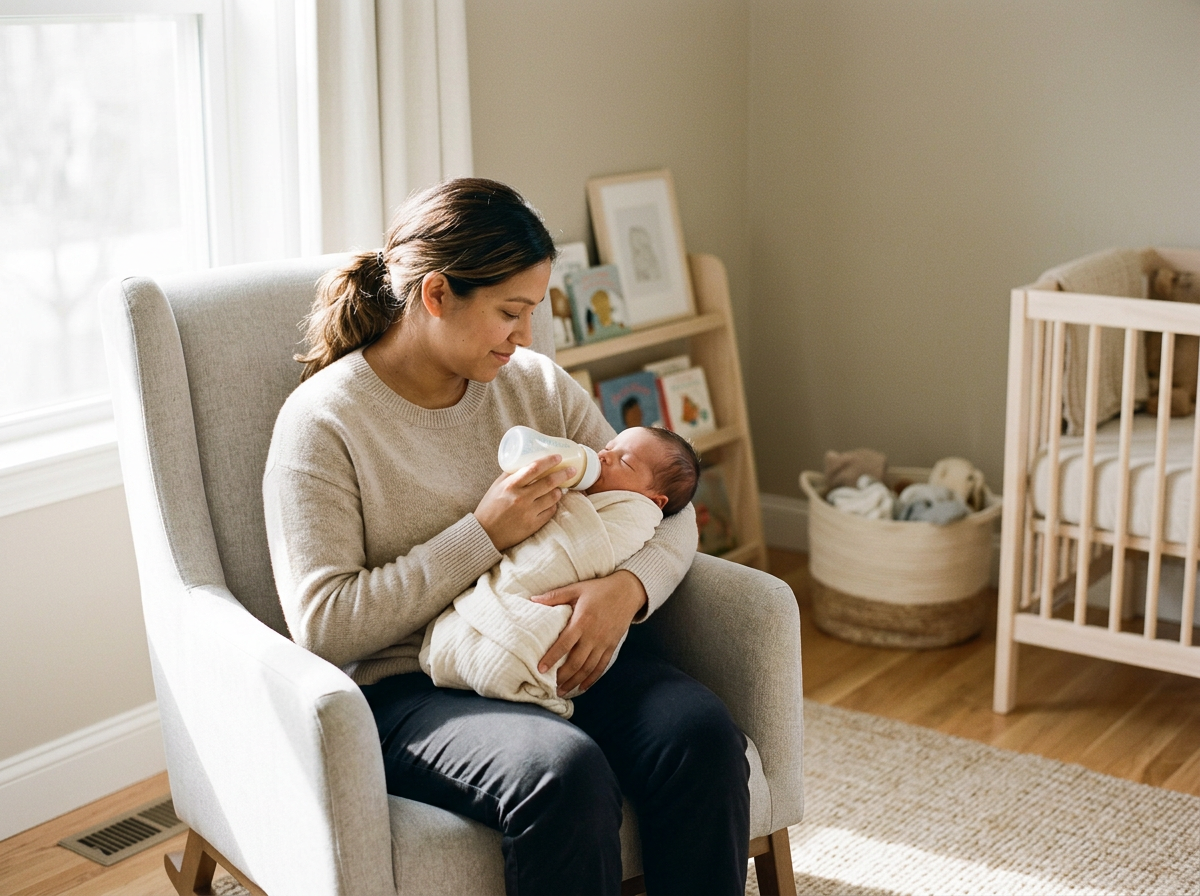
Staring at your peacefully sleeping newborn and wondering whether you should wake them up to eat? This guide walks you through everything you need to know, starting with why newborn feeding schedules matter so much and ending with the exact signs that tell you it is finally safe to let your baby sleep.
Understanding Newborn Feeding Needs
Newborns grow at an astonishing rate during the first few weeks of life, and that growth depends entirely on consistent, frequent feeding. Because a newborn's stomach holds only a small amount at a time, your baby needs to eat often, typically every two to three hours around the clock. This frequent feeding pattern supports healthy weight gain, stable blood sugar, and proper hydration during a period when your baby's body is working hard to adjust to life outside the womb.
Most newborns lose a small percentage of their birth weight in the first few days, which is completely normal. However, pediatricians expect babies to regain that weight within about two weeks. Consistent feeding plays a central role in reaching that milestone, so healthcare providers often recommend a structured feeding schedule during this early stage rather than waiting for your baby to wake up naturally every time.
Since sleep and feeding are so closely connected in the newborn stage, understanding this relationship helps you make informed decisions about when to wake your baby and when to let them rest
Should I Wake My Newborn to Feed? The General Guideline
Yes, most pediatricians recommend waking a newborn to feed during the first two to three weeks of life, especially if your baby sleeps longer than three to four hours during the day or four to five hours at night. This guideline applies most strongly to breastfed babies, since frequent feeding also helps establish and protect your milk supply during this critical early period.
Because newborns cannot always signal hunger reliably through crying alone, relying solely on hunger cues in the earliest weeks can lead to insufficient feeding and slower weight gain. As a result, healthcare providers generally recommend a proactive feeding schedule until your baby demonstrates steady weight gain and returns to their birth weight.
That said, every baby is different, and your pediatrician may adjust this general guideline based on your baby's specific health, birth weight, and growth pattern. Therefore, always confirm your baby's individual feeding needs at your first few pediatric appointments.
Why Newborns Need Frequent Feeding
Frequent feeding supports several important processes happening inside your newborn's body. First, consistent feeding helps stabilize blood sugar levels, which matters significantly during the first few days when your baby's metabolism is still adjusting. Additionally, regular feeding reduces the risk of jaundice, since feeding helps your baby's body process and eliminate bilirubin more efficiently.
Frequent feeding also supports healthy hydration, which becomes especially important in warm climates or when your baby experiences any mild illness. Because newborns cannot yet communicate thirst clearly, a consistent feeding schedule helps ensure they receive adequate fluids throughout the day and night.
For breastfeeding parents, frequent feeding carries an additional benefit: it directly supports milk production. Since milk supply operates on a demand-based system, skipping feeds too early can inadvertently signal your body to produce less milk, which may create supply challenges later on.
When It Becomes Safe to Let Your Newborn Sleep Through a Feed
Once your baby regains their birth weight, typically around two weeks of age, and continues to show steady weight gain at pediatric checkups, most doctors agree that you can let your baby sleep through an occasional feed, particularly overnight. This shift usually happens gradually rather than all at once, so you might start by allowing one longer stretch of sleep before eventually easing the schedule further.
Before making this change, however, confirm the decision with your pediatrician, since factors like prematurity, low birth weight, or any ongoing health concerns can extend the timeline for waking your baby to feed. Because every baby's growth pattern differs, this milestone should always reflect your specific child's needs rather than a general timeline alone.
Once cleared to let your baby sleep longer, pay close attention to wet diapers, overall alertness, and weight trends at follow-up visits, since these indicators confirm your baby continues to receive enough nutrition even with a slightly longer sleep stretch.
How to Wake a Sleepy Newborn for Feeding
Waking a deeply sleeping newborn can feel surprisingly difficult, so a few gentle techniques can help. Start by unswaddling your baby or removing a layer of clothing, since the slight temperature change often stirs a sleepy baby without causing distress. Next, try changing your baby's diaper before the feed, as this simple action frequently wakes a drowsy newborn enough to eat effectively.
If your baby remains sleepy, gently stroke their cheek, feet, or back, or hold them upright against your chest for a moment of skin to skin contact. Dimming overhead lights while keeping the room reasonably bright also helps signal wake time without overstimulating your baby.
Because a sleepy baby may fall back asleep quickly during feeding, pause periodically to burp your baby or gently rouse them again, ensuring they take a full, effective feed rather than just a few sleepy sips.
Signs Your Newborn Is Getting Enough to Eat
Beyond following a general feeding schedule, watch for specific signs that confirm your baby receives adequate nutrition. A newborn who produces six or more wet diapers a day, along with regular bowel movements, typically shows signs of adequate hydration and feeding. Similarly, a baby who appears alert, has good skin color, and settles contentedly after most feeds is likely getting enough to eat.
Steady weight gain at pediatric visits remains the most reliable indicator overall, since daily observations alone can sometimes feel inconclusive. Because growth patterns vary slightly from baby to baby, your pediatrician compares your baby's growth against their own trend line rather than a single fixed number.
If you ever feel uncertain about whether your baby is eating enough, do not hesitate to reach out to your pediatrician or a lactation consultant, since early support often prevents small feeding concerns from becoming bigger challenges.
Special Considerations for Premature or Low Birth Weight Babies
Premature babies and those born at a low birth weight often need an even more structured feeding schedule than full-term newborns. Because these babies may have less energy reserve and immature feeding skills, pediatricians frequently recommend waking them more consistently, sometimes every two hours, until they demonstrate strong, steady weight gain.
Babies who experience jaundice also require closer feeding attention, since consistent feeding helps their bodies process bilirubin more efficiently. If your baby falls into either of these categories, work closely with your pediatric care team to establish a feeding plan tailored specifically to your baby's health needs, rather than relying on general newborn guidelines alone.
Balancing Feeding Schedules With Future Sleep Goals
As your baby grows past the newborn stage and steady weight gain becomes established, many parents naturally start thinking about longer stretches of sleep for the whole family. Building healthy feeding habits early actually supports this transition, since a baby who feeds efficiently and gains weight consistently often adjusts more smoothly to eventual sleep training.
Because feeding and sleep remain closely linked throughout infancy, working with a knowledgeable sleep and feeding support team can help you navigate both areas together, rather than addressing them as separate, disconnected challenges.
Conclusion: Trusting the Process While Following Expert Guidance
So, should you wake your newborn to feed? In most cases during the first two to three weeks, the answer is yes, since consistent feeding supports healthy weight gain, stable blood sugar, and a strong milk supply. As your baby regains their birth weight and continues growing steadily, your pediatrician will likely give you the green light to let them sleep a bit longer.
Because every baby follows their own growth timeline, trust your pediatric team's guidance alongside your own observations of your baby's feeding and wellness signs. With patience and consistency, this early stage of frequent feeding gives way to longer, more predictable stretches of sleep for your whole family.
Frequently Asked Questions (FAQ)
Should I wake my newborn to feed during the day or only at night?
You should generally wake your newborn to feed both during the day and at night during the first two to three weeks, since consistent feeding around the clock supports healthy weight gain and milk supply.
How often should I wake my newborn to feed?
Most pediatricians recommend feeding every two to three hours during the day and no longer than four to five hours overnight until your baby regains their birth weight and shows steady growth.
What if my newborn refuses to wake up for a feeding?
Try unswaddling your baby, changing their diaper, or gently stroking their cheek or feet to encourage wakefulness. If your baby consistently resists waking for feeds, contact your pediatrician for guidance.
When can I stop waking my newborn to feed at night?
Most babies can sleep through an occasional nighttime feed once they regain their birth weight, typically around two weeks of age, and continue showing steady weight gain at checkups, though your pediatrician should confirm this timeline for your specific baby.
Does waking my newborn to feed affect breastfeeding supply?
Yes, consistent feeding, including waking your baby during the newborn stage, helps establish and protect your milk supply, since breastfeeding operates on a demand-based system.
Is it different for premature or low birth weight babies?
Yes, premature and low birth weight babies often need a more structured feeding schedule, sometimes every two hours, until they show strong, consistent weight gain confirmed by their pediatric care team.
Ready for Support Beyond the Newborn Stage?
Navigating feeding schedules is just the beginning, and better sleep often follows steady feeding habits. Sleep Child O' Mine offers personalized newborn care, lactation support, and gentle sleep coaching to help your family move confidently from feeding schedules to restful nights.
Visit Sleep Child O' Mine today to explore support designed around your newborn's unique needs.
Sleep Training Services Offering Personalized Nap Coaching: A Complete Guide for Tired Parents
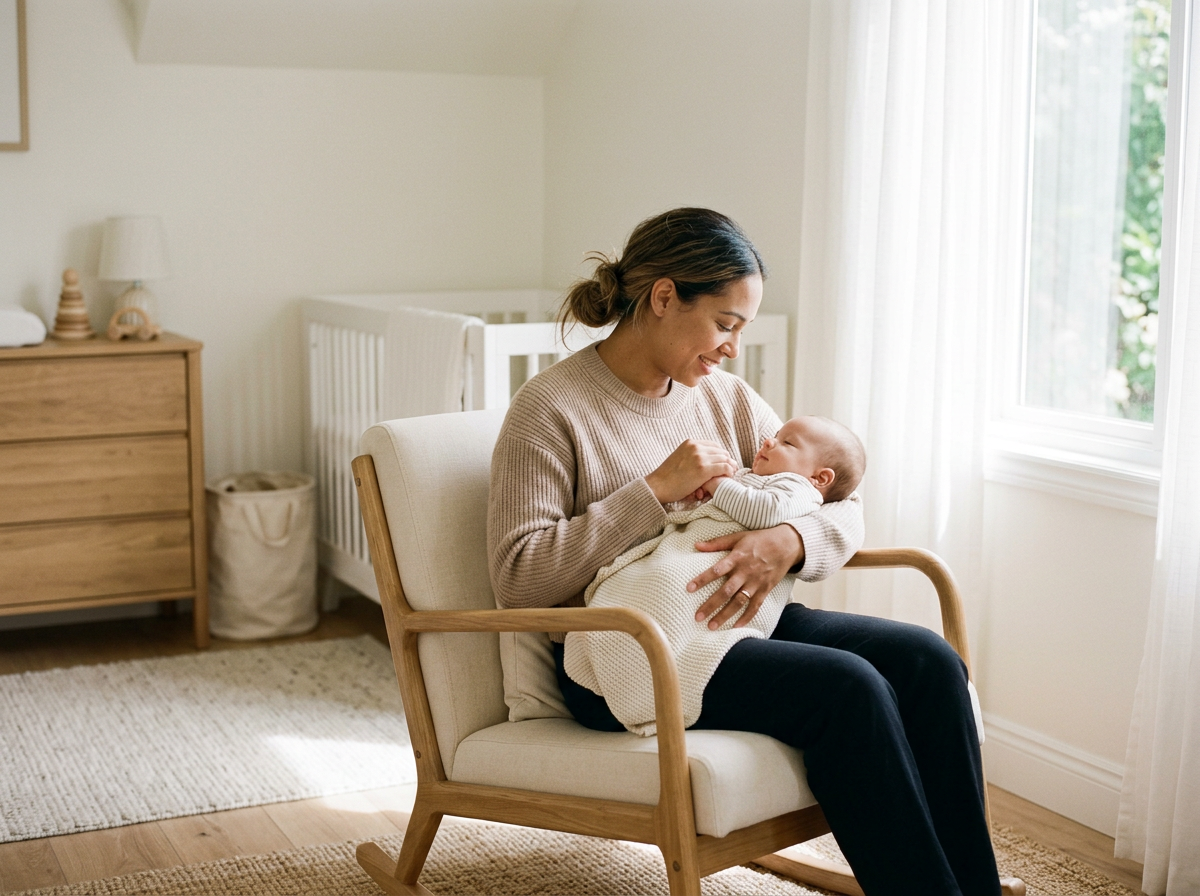
Exhausted from unpredictable naps and short nights? Sleep training services offering personalized nap coaching help your family build a realistic, sustainable sleep routine, and this guide explains exactly how the process works, from the basics of sleep training down to what a coaching session actually looks like.
Understanding Sleep Training: A Foundation for Better Days and Nights
Sleep training refers to the process of teaching a baby or toddler to fall asleep independently and stay asleep for longer stretches. Parents often assume sleep training only applies to nighttime sleep, but it actually covers every sleep period across the day, including naps. Because naps and nighttime sleep influence each other so directly, a strong sleep training approach addresses both together rather than treating them as separate problems.
Every child develops sleep skills at a different pace, so a rigid, one-size-fits-all method rarely works for long. Instead, effective sleep training adapts to your child's temperament, age, and daily schedule. This is exactly where sleep training services offering personalized nap coaching set themselves apart from generic advice you might find in a book or a social media post. A personalized approach considers your specific child, your specific household, and your specific goals, so the plan actually fits your life.
Before diving into any sleep training method, it helps to understand why professional support makes such a meaningful difference. Sleep science involves circadian rhythms, sleep pressure, and age-appropriate wake windows, and these concepts interact in ways that are not always obvious to an exhausted parent at two in the morning. A trained sleep consultant translates this science into a clear, practical plan you can follow with confidence.
Why Naps Matter as Much as Nighttime Sleep
Many parents focus almost entirely on nighttime sleep, yet naps play an equally important role in a child's development. During daytime naps, your child's brain consolidates memories, regulates emotions, and supports physical growth, much like it does at night. Consequently, when naps fall apart, nighttime sleep often suffers too, since an overtired baby actually finds it harder to fall and stay asleep.
Nap schedules also shift constantly as children grow. A newborn might need four or five short naps a day, while a toddler transitions down to a single afternoon nap. Because these transitions happen quickly and without warning, parents often struggle to know when and how to adjust. This is precisely why sleep training services offering personalized nap coaching focus so heavily on naps rather than nighttime sleep alone.
Without a consistent nap routine, your child's whole day can feel unpredictable, and that unpredictability adds stress for the entire family. A well-structured nap schedule, on the other hand, creates a rhythm that benefits everyone, from your child's mood to your own ability to plan the day ahead.
What Sleep Training Services Offering Personalized Nap Coaching Actually Include
When you work with a sleep coach, the process typically starts with a detailed assessment of your child's current sleep habits, schedule, and environment. This assessment allows the coach to identify exactly what is disrupting sleep, whether that involves an inconsistent nap schedule, a sleep environment that needs adjustment, or a feeding routine that overlaps awkwardly with nap time.
From there, sleep training services offering personalized nap coaching build a custom plan tailored to your child's age and temperament. This plan usually includes recommended wake windows, an ideal nap schedule, guidance on sleep associations, and a step-by-step method for helping your child fall asleep independently. Because every family's situation looks different, the plan also accounts for practical realities like daycare schedules, siblings, and your own work hours.
Ongoing support forms another essential part of the service. Rather than handing you a plan and disappearing, most nap coaches check in regularly, troubleshoot setbacks, and adjust the approach as your child grows. This continued guidance often makes the biggest difference, since sleep progress rarely follows a perfectly straight line.
The Benefits of Working With a Personalized Nap Coach
One of the clearest benefits of personalized nap coaching is the amount of time it saves. Instead of testing countless conflicting tips from articles and forums, you follow a single, coordinated plan built specifically for your child. As a result, you avoid the trial-and-error phase that leaves so many parents feeling stuck and frustrated.
Personalized coaching also builds parental confidence. When a professional walks you through the reasoning behind each recommendation, you understand not just what to do, but why it works for your specific child. This understanding makes it easier to stay consistent, and consistency remains one of the most important factors in successful sleep training.
Beyond convenience and confidence, better sleep genuinely improves your child's overall well-being. Well-rested children tend to show better mood regulation, stronger attention spans, and healthier growth patterns. Meanwhile, parents who finally get consistent rest often notice improvements in their own mental health, patience, and ability to enjoy time with their family.
Common Sleep Training Methods Explained
Several established sleep training methods exist, and a good coach helps you choose the one that fits your comfort level and your child's personality. Gentle methods, such as gradual retreat, involve slowly reducing your presence in the room over several nights, allowing your child to build independence at a comfortable pace.
Other methods, like the Ferber method, use timed check-ins that gradually increase in length, giving your child space to self-soothe while still receiving reassurance. Meanwhile, extinction-based methods remove parental intervention entirely once the child is placed in the crib, and some families prefer this faster approach when circumstances call for quicker results.
No single method works best for every family, and a knowledgeable nap coach explains the pros and cons of each option clearly. Because personalized nap coaching accounts for your specific values and your child's temperament, you never feel pressured into an approach that conflicts with your parenting style.
How Personalized Coaching Differs From Generic Sleep Advice
Generic sleep advice usually applies a single formula to every child, regardless of age, temperament, or family circumstances. While this advice can occasionally help, it often fails to address the specific factors causing sleep struggles in your household. For example, a nap schedule that works perfectly for one baby might completely overwhelm another baby with different sleep needs.
Personalized coaching, on the other hand, starts with your child's actual data: their age, their current schedule, their sleep environment, and their unique challenges. Because the plan reflects real information rather than general assumptions, it tends to produce faster, more sustainable results. Additionally, a personalized coach adjusts the plan in real time as your child responds, something a generic guide simply cannot do.
This tailored approach also considers your family's values and boundaries. Whether you prefer a gentle method or a more structured approach, a good coach respects your comfort level while still guiding you toward realistic, achievable goals.
What to Expect From a Sleep Consultation Process
Most sleep training services offering personalized nap coaching begin with an initial consultation, where you discuss your child's sleep history, daily routine, and specific concerns. This conversation gives the coach the context needed to design an effective plan from the very start.
After the consultation, you typically receive a written sleep plan that outlines wake windows, nap timing, bedtime routines, and a clear method for building independent sleep skills. Many services also include a phone or video call to walk through the plan together, ensuring you feel comfortable before you begin implementation.
Once you start following the plan, ongoing support becomes essential. Regular check-ins, whether through messaging, email, or scheduled calls, allow your coach to track progress, address unexpected challenges, and fine-tune the approach as needed. This structure helps you stay on track even when progress feels slow on certain days.
Signs Your Child May Benefit From Nap Coaching
Certain patterns often signal that professional nap coaching could help your family. If your child fights naps consistently, wakes up cranky after short naps, or struggles to fall asleep without extensive rocking or feeding, these signs suggest an underlying schedule or sleep association issue.
Frequent early morning wake-ups, unpredictable nap lengths, and difficulty transitioning between nap stages also point toward the need for structured guidance. Similarly, if you find yourself constantly adjusting the schedule with no real improvement, a personalized plan can identify the root cause rather than continuing the guesswork.
Parental exhaustion counts as a valid reason to seek support too. If disrupted naps and unpredictable nights leave you feeling overwhelmed, working with a nap coach can restore both your child's sleep and your own peace of mind.
How to Choose the Right Sleep Training Service for Your Family
Selecting the right sleep training service starts with checking a coach's credentials and experience. Look for certifications from recognized sleep consulting programs, along with reviews or testimonials from families with similar sleep challenges.
Next, consider the coach's approach to personalization. A strong service asks detailed questions about your child's temperament, your household routine, and your comfort level with different sleep training methods before recommending a plan. If a service offers the same generic plan to every client, that likely signals a lack of true personalization.
Finally, evaluate the level of ongoing support included. Because sleep progress rarely moves in a straight line, choose a service that offers real communication access during the process, rather than a one-time plan with no follow-up. This ongoing relationship often determines whether a sleep training plan succeeds long term.
Real Family Results With Personalized Nap Coaching
Families who commit to a personalized nap coaching plan often notice meaningful changes within just a couple of weeks. Naps become more predictable, bedtime resistance decreases, and nighttime wake-ups grow less frequent as the child builds stronger independent sleep skills.
Beyond the sleep improvements themselves, parents frequently describe feeling more confident and less anxious about sleep in general. Instead of dreading nap time or bedtime, they approach each day with a clear routine and realistic expectations. Ultimately, this shift benefits the whole household, since better sleep tends to improve mood, patience, and connection across every family member.
Conclusion: Choosing Personalized Support for Better Sleep
Sleep training services offering personalized nap coaching give families a realistic path toward better naps, better nights, and a calmer daily routine. Rather than relying on generic advice that ignores your child's unique needs, a personalized plan considers your child's age, temperament, and household circumstances from the very beginning.
Because ongoing support plays such a critical role in long-term success, choosing a service that stays involved throughout the process makes a meaningful difference. So, if unpredictable naps and exhausting nights have taken over your household, personalized nap coaching offers a clear, supportive way forward.
Frequently Asked Questions (FAQ)
-
These services typically include a full assessment of your child's sleep habits, a custom nap and sleep schedule, guidance on sleep training methods, and ongoing support to adjust the plan as your child grows.
-
Most sleep coaches recommend starting structured nap coaching around four to six months of age, once a baby's sleep patterns begin to mature. However, some services offer gentler guidance for younger infants as well.
-
Personalized nap coaching considers your specific child's age, temperament, and household routine, while a generic schedule applies the same approach to every baby regardless of individual needs. This tailored process typically produces faster, more sustainable results.
-
Many families notice meaningful improvements within one to two weeks of following a personalized plan, though the exact timeline depends on the child's age, temperament, and consistency of implementation.
-
No, effective sleep training services offering personalized nap coaching address both daytime naps and nighttime sleep together, since the two areas influence each other significantly.
-
For many families, professional nap coaching saves significant time and stress by replacing trial-and-error with a clear, personalized plan. It also provides ongoing support, which often makes the difference between short-term progress and lasting results.
Ready to Build a Better Sleep Routine?
You do not have to navigate unpredictable naps and exhausting nights alone. Sleep Child O' Mine offers sleep training services with personalized nap coaching designed around your child's unique needs and your family's daily life.
Visit Sleep Child O' Mine today to start building a sleep routine your whole family can finally rely on.
How to Successfully Sleep Train a Baby Who Relies on a Pacifier for Comfort
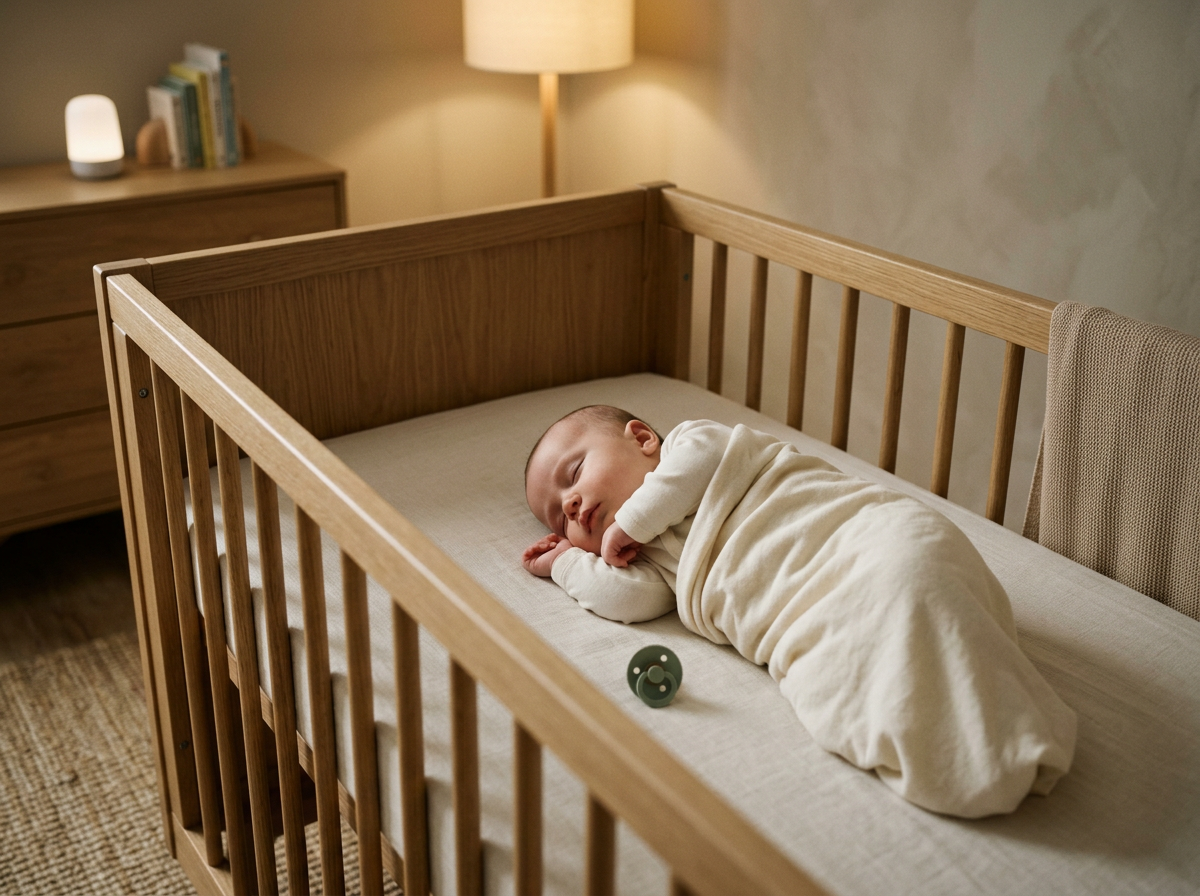
Does your baby wake up crying the moment the pacifier falls out? This guide walks you through how to successfully sleep train a baby who relies on a pacifier for comfort, starting with the basics of pacifier dependence and moving toward a clear, practical plan you can start tonight.
Understanding Sleep Training and Pacifier Dependence
Sleep training teaches a baby to fall asleep independently and return to sleep without help after normal nighttime wake ups. Many babies build a strong attachment to a pacifier during this process, since sucking naturally soothes them and helps regulate their nervous system. Because this attachment forms so early, pacifier dependence becomes one of the most common obstacles parents face when they start sleep training.
Pacifier dependence simply means your baby cannot fall asleep or resettle without the pacifier in their mouth. This pattern develops gradually, often without parents even noticing, since offering the pacifier at bedtime feels like such a natural, comforting habit. However, once your baby wakes at 2 a.m. searching for a pacifier they cannot find or replace on their own, that same habit becomes the reason everyone loses sleep.
Recognizing this connection matters because it shapes the entire sleep training approach. Rather than treating the pacifier as an unrelated bedtime item, an effective plan treats it as a sleep association that needs a clear strategy, whether that strategy involves managing it, reducing it, or removing it altogether.
Why Pacifier Dependent Babies Present a Unique Sleep Training Challenge
Babies who rely heavily on a pacifier often wake more frequently overnight, not because they need to eat or feel unwell, but simply because the pacifier slipped out of their mouth. Since a young baby cannot yet locate and reinsert the pacifier alone, this small interruption often escalates into a full wake up that requires a parent's help.
This challenge differs from other sleep associations, such as rocking or feeding, because a pacifier can actually stay in the crib as a tool your baby learns to manage. Consequently, the goal of sleep training in this case does not always mean removing the pacifier completely. Instead, many families focus on teaching their baby to find, use, and eventually let go of the pacifier without needing a parent to step in every time.
Understanding this distinction helps set realistic expectations from the start. Because pacifier dependence involves a physical skill as much as a habit, progress often looks different than it does with other sleep associations, and that is completely normal.
Preparing to Sleep Train a Pacifier-Dependent Baby
Before you begin, take time to observe your baby's current sleep patterns and pacifier habits. Notice how often your baby wakes overnight, whether those wake ups happen at predictable times, and whether your baby cries immediately or fusses briefly before settling. This information gives you a clear baseline to measure progress against.
Next, consider your baby's age and developmental readiness. Most sleep experts recommend waiting until at least four to six months before starting formal sleep training, since younger babies still need nighttime feedings and have not yet developed the motor skills to self-soothe effectively. Because timing matters so much, starting too early can lead to unnecessary frustration for both you and your baby.
Finally, decide on your overall approach. Some parents choose to place several pacifiers around the crib so their baby can find one independently, while others use sleep training as an opportunity to gradually reduce pacifier reliance altogether. Either path can work, so choose the one that fits your family's values and your baby's temperament.
How to Successfully Sleep Train a Baby Who Relies on a Pacifier for Comfort: A Step by Step Plan
Start by establishing a predictable bedtime routine that includes offering the pacifier as one of the final steps before placing your baby in the crib. This routine signals to your baby that sleep time has arrived and gives the pacifier a consistent, calming role within that sequence.
Once your baby wakes overnight, pause briefly before responding. Many babies fuss for a few seconds or even minutes and then resettle on their own, especially once they gain a bit of practice. If your baby continues to cry, enter the room calmly, help them find the pacifier or reinsert it quickly, and leave again without additional interaction. This teaches your baby that the pacifier, not your presence, provides the comfort they need.
Over the following nights, gradually extend the time you wait before responding, and reduce how much you do for your baby once you enter the room. For example, you might start by handing your baby the pacifier directly, then progress to simply pointing toward it, and eventually let your baby locate it entirely on their own. This gradual approach builds independence step by step, so your baby develops real self-soothing skills instead of relying on a fast fix.
Consistency across naps and nighttime sleep also plays a critical role. Because babies generalize sleep skills across different sleep periods, using the same approach for both naps and nighttime sleep speeds up the entire learning process.
Common Sleep Training Methods Adapted for Pacifier Use
Several established sleep training methods work well when you adapt them for pacifier dependent babies. Gradual retreat involves slowly reducing your involvement over several nights, and you can adapt this method by gradually reducing how much help you give with the pacifier rather than removing your presence from the room entirely.
The chair method, which involves sitting near the crib and moving further away each night, pairs naturally with pacifier fading, since your baby learns to settle with less parental input while still keeping the pacifier as a comfort tool. Meanwhile, timed check-in methods, such as the Ferber method, work well for parents who prefer a structured approach with clear, predictable intervals between check ins.
Because every baby responds differently, a method that works beautifully for one family might feel overwhelming for another. Testing a method for several consistent nights before switching approaches usually produces better results than jumping between strategies too quickly.
Should You Wean the Pacifier Before or During Sleep Training?
This question comes up often, and the honest answer depends on your baby's age and your family's preferences. Weaning the pacifier before sleep training removes one variable from the process, which can simplify things for parents who feel overwhelmed by tackling both changes at once. This approach often works best for older toddlers who show signs of pacifier dependence beyond typical infancy.
On the other hand, many families successfully sleep train while keeping the pacifier in place, especially with younger babies who still benefit from the soothing, sucking reflex. In these cases, sleep training focuses on independence within the sleep space rather than removing the pacifier entirely. Since younger babies gain real developmental benefits from pacifier use, waiting until closer to their first birthday to consider full weaning often makes more sense.
Ultimately, no universal answer applies to every family. Instead, base your decision on your baby's age, your household's tolerance for tackling multiple changes at once, and your own comfort level with the process.
Troubleshooting Common Setbacks
Setbacks happen for nearly every family during sleep training, so expect a few bumps along the way. If your baby suddenly wakes more often after a few nights of progress, consider whether teething, illness, or a developmental leap might be temporarily increasing their need for comfort. These regressions typically resolve within a week or two once the underlying cause passes.
If your baby cries intensely every time the pacifier falls out, try transitioning to a crib with multiple pacifiers placed strategically within reach, since this small adjustment often reduces the number of full wake ups. Additionally, double check that your baby's sleep environment supports rest overall, including room temperature, noise levels, and light exposure, since these factors can undermine even a well-designed sleep training plan.
Above all, stay consistent even when progress feels slow. Because babies need repetition to build new skills, switching strategies too often usually delays progress rather than speeding it up.
Signs Your Approach Is Working
Progress during sleep training rarely looks dramatic overnight, so watch for smaller, meaningful signs instead. Shorter periods of crying before your baby resettles, fewer full wake ups requiring your intervention, and longer overall stretches of sleep all indicate that your baby is building genuine self-soothing skills.
You might also notice your baby beginning to search for the pacifier independently, even if they cannot fully manage it alone yet. This attempt alone shows real developmental progress, since it means your baby recognizes the pacifier as a tool they can use rather than something only you can provide.
As these small wins accumulate, most families notice a clear overall trend toward more predictable, restful nights within two to three weeks.
When to Seek Professional Support
If you have tried a consistent approach for several weeks without meaningful improvement, professional support can help identify what specifically needs adjustment. A certified sleep consultant evaluates your baby's schedule, environment, and current habits, then builds a personalized plan that accounts for pacifier use rather than working against it.
Professional guidance also helps when parents feel unsure about which method fits their baby best, or when conflicting advice from family, friends, and online sources creates more confusion than clarity. Because every baby responds differently, personalized support often resolves challenges far faster than continued trial and error.
Conclusion: Building Independent Sleep Skills at Your Baby's Pace
So, how do you successfully sleep train a baby who relies on a pacifier for comfort? The process starts with understanding pacifier dependence, choosing a realistic strategy, and staying consistent through the natural ups and downs of learning a new skill. Whether you decide to keep the pacifier in place or gradually wean it away, the most important factor remains consistency across every nap and every night.
Because every baby develops at their own pace, progress may look different from what other families experience, and that is completely normal. With patience, a clear plan, and realistic expectations, most babies learn to settle independently within just a few weeks.
Frequently Asked Questions (FAQ)
-
You successfully sleep train a baby who relies on a pacifier for comfort by establishing a consistent bedtime routine, teaching your baby to find or manage the pacifier independently, and applying the same approach consistently across naps and nighttime sleep.
-
Not necessarily. Many families successfully sleep train while keeping the pacifier in place, especially with younger babies, by focusing on independence within the sleep space rather than removing the pacifier entirely.
-
Younger babies often cannot yet locate or reinsert a pacifier on their own, so losing it during sleep can trigger a full wake up. Placing several pacifiers within reach in the crib often reduces this issue over time
-
Most families notice meaningful progress within two to three weeks, though the exact timeline depends on your baby's age, temperament, and how consistently you apply the chosen method.
-
Most sleep experts recommend waiting until at least four to six months of age, since younger babies still need nighttime feedings and have not yet developed the skills needed for effective self-soothing.
-
If you see no meaningful improvement after several consistent weeks, consider working with a certified sleep consultant who can evaluate your baby's specific habits and build a personalized plan around pacifier use.
Related Articles


