

Why Does Patting on the Back Help Sleep? Unlock Better Rest With This Simple Habit
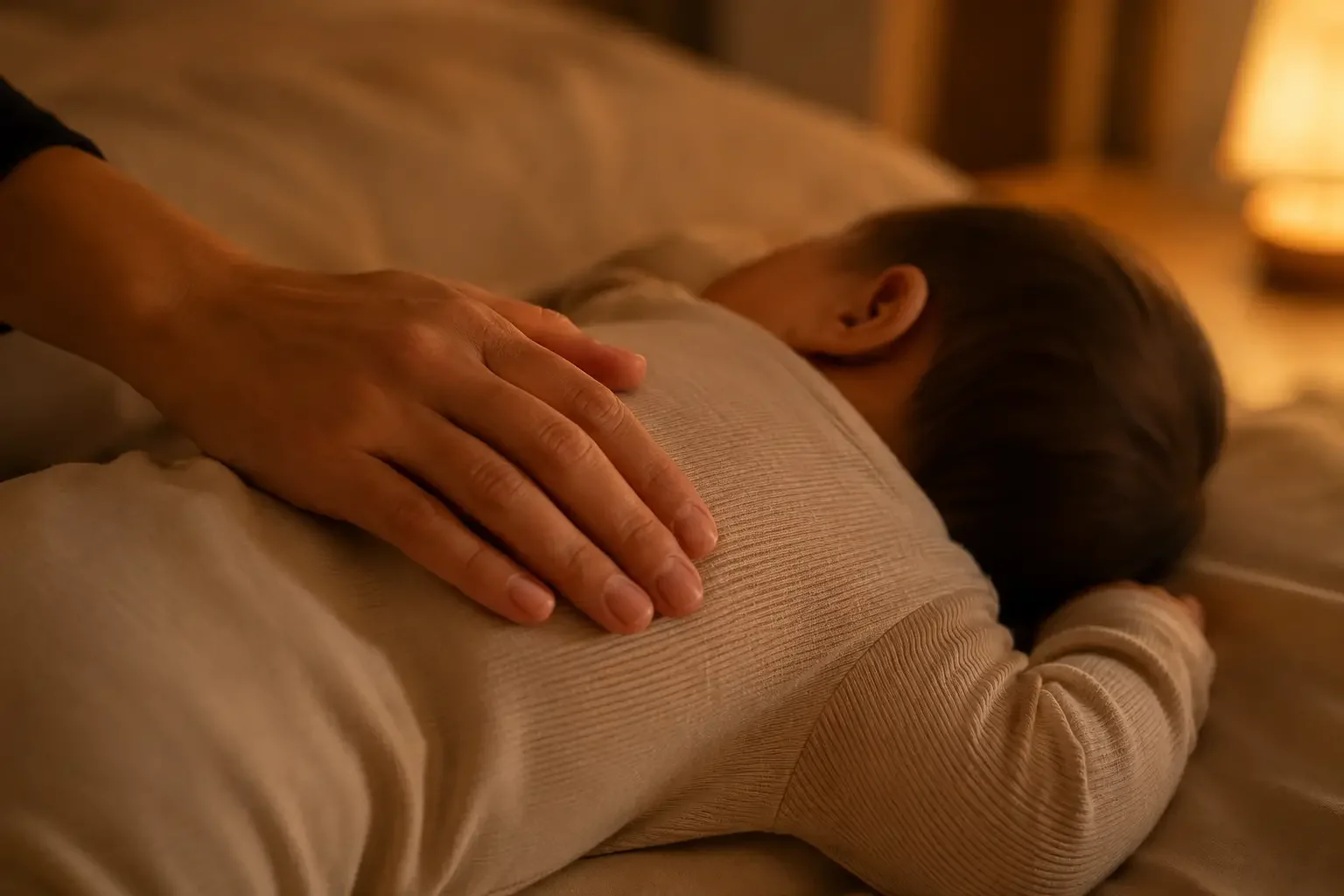
Have you ever wondered why does patting on the back help sleep so effectively for babies, partners, and even adults on their own? This guide explains the science behind the sensation, walks through its physical and psychological benefits, and shows you how to use it tonight.
The Science Behind Sleep and Relaxation
Sleep drives nearly every part of human health, and your body relies on it for both physical and mental repair. Behind every restful night, your brain and body coordinate a layered chain of neurological and physiological events that most people never consciously notice. As you sleep, your brain moves through several distinct stages — light sleep, deep sleep, and rapid eye movement (REM) sleep — and each stage supports memory consolidation, emotional regulation, and cellular repair in its own way. Because sleep quality shapes your cognitive function, mood, and overall health so directly, understanding the science behind relaxation can help explain exactly why does patting on the back help sleep as well as it does.
Your circadian rhythm, an internal clock shaped by light and temperature, regulates your natural sleep-wake cycle. This rhythm tells your body when to feel alert and when to feel drowsy. However, exposure to artificial light or an irregular schedule can disrupt this cycle and lead to poor sleep quality. Your body also produces melatonin, a hormone that promotes sleep, in close coordination with this same rhythm. Consequently, relaxation techniques that reduce stress can help realign your natural sleep-wake cycle, making it easier to fall asleep and stay asleep.
Relaxation techniques like back patting work by activating your parasympathetic nervous system, often called the "rest and digest" system. This system conserves energy, slows your heart rate, and relaxes your muscles. Once activated, it counteracts the stress response your sympathetic nervous system triggers. Because of this calming shift, back patting creates an optimal environment for sleep and allows your body and mind to unwind together.
Why Does Patting on the Back Help Sleep? How the Body Responds
Back patting works because it induces relaxation and comfort through simple, repeated motion. The gentle, rhythmic pattern of a hand patting your back creates a soothing sensation that calms your mind and relaxes your muscles. This practice especially helps people who struggle with anxiety or stress, since it offers physical comfort and reassurance in a way words cannot. Because it promotes such a deep state of relaxation, back patting can help you fall asleep faster and enjoy noticeably better sleep quality overall.
One of the clearest answers to why does patting on the back help sleep lies in its direct effect on your nervous system. Each gentle tap sends a wave of feel-good chemistry through your body, prompting it to produce endorphins, the natural painkillers that also lift your mood. Endorphins ease stress and anxiety on their own, and this alone builds a sense of well-being that supports sleep. Additionally, back patting stimulates the vagus nerve, which plays a central role in regulating your stress response. Once activated, the vagus nerve lowers your heart rate and blood pressure, so your body relaxes even further.
Back patting also builds a sense of security and comfort, both of which support a good night's sleep. This practice often recreates the soothing touch many people experienced as children, so it triggers a deep sense of familiarity and safety. For anyone who struggles with racing thoughts or restlessness at bedtime, the rhythmic motion gives the mind something simple to follow, which quiets mental chatter and redirects focus toward physical sensation. As a result, you fall asleep more easily and stay asleep through the night.
The Psychological Benefits of Back Patting
Beyond its physical effects, back patting also shapes your psychological well-being in meaningful ways. Receiving gentle, comforting touch fosters a real sense of connection and emotional support. This matters especially in today's fast-paced world, where stress, loneliness, and anxiety affect so many people. Back patting offers a small moment of solace and reassurance, and it helps ease negative emotions while restoring a sense of calm.
One major psychological benefit involves anxiety and stress reduction. Simple physical touch prompts your body to produce oxytocin, the hormone tied to trust, closeness, and bonding. Oxytocin, often nicknamed the "love hormone," then pushes cortisol levels down, easing the stress hormone that otherwise keeps your body on edge. Because cortisol drops, back patting helps you relax more deeply, which makes falling asleep and staying asleep considerably easier.
Back patting also strengthens emotional well-being by offering comfort and security. A gentle, rhythmic touch evokes the feeling of being cared for and nurtured. For people who have experienced trauma or loss, this physical support can meaningfully soothe emotional pain. Furthermore, back patting encourages mindfulness, since it draws your attention to the present moment and the sensations you feel right now. This shift reduces rumination and negative thought loops, so your mind settles into a calmer, more relaxed state.
Techniques for Effective Back Patting
To get the full benefit of back patting, use techniques that actively promote relaxation and comfort. Success depends largely on rhythm, pressure, and duration, and you can adjust each element to match individual preferences and needs.
Rhythm matters most, so keep the motion slow, steady, and consistent. A predictable pattern helps the recipient relax fully and focus entirely on the soothing sensation. Avoid abrupt or erratic movements, since these disrupt calm rather than build it.
Pressure should stay gentle and even throughout the session. Aim for a light-to-moderate touch that creates a soothing sensation without causing discomfort. Because comfort varies from person to person, check in and adjust the pressure as needed. Duration matters too: some people relax fully after just a few minutes, while others prefer longer sessions. Experimenting with different lengths of time helps you discover what works best.
Back Patting vs. Other Relaxation Techniques
While back patting works remarkably well, comparing it to other relaxation methods helps clarify its unique value. Understanding these differences can help you decide how to build it into your bedtime routine.
Deep breathing exercises represent one common alternative, since they involve focusing on slow, controlled breaths to reduce stress. Although deep breathing works well, it requires active participation and concentration. Back patting, on the other hand, functions as a passive technique, so the recipient can simply relax and receive the soothing touch. This makes it especially useful for people who struggle to concentrate or who prefer a more hands-off approach.
Progressive muscle relaxation offers another popular option, since it involves tensing and releasing different muscle groups to reduce tension. This method works well too, but it demands real awareness and effort. Back patting, in contrast, provides a more effortless form of relaxation, since the recipient can simply lie back and receive the sensation. Therefore, back patting often suits people with limited mobility or anyone who prefers a less active approach to winding down.
Incorporating Back Patting Into Your Bedtime Routine
Adding back patting to your bedtime routine offers a simple, effective way to improve sleep. A consistent routine that includes relaxation techniques signals to your body that it's time to unwind. Once you make back patting a regular part of your nightly habits, you build a sense of predictability and comfort that supports relaxation and restful sleep.
Start by choosing a quiet, comfortable space free from distractions, whether that's your bed or a cozy corner of your bedroom. Dim the lights and reduce noise so the environment supports sleep rather than working against it. Because atmosphere shapes how effective any relaxation technique feels, a calm setting amplifies the benefits of back patting.
Consider pairing back patting with other relaxing activities to round out your routine. For instance, you might take a warm bath or shower to relax your muscles, then follow it with a few minutes of back patting. You could also add reading, soothing music, or deep breathing exercises. By combining these techniques, you build a comprehensive bedtime routine that consistently promotes better sleep.
Real-Life Testimonials: Back Patting Success Stories
Many people have experienced the benefits of back patting firsthand, and their stories highlight its real impact on sleep quality and well-being. Hearing from others who have already tried this practice can offer valuable insight and encouragement for your own sleep journey.
Take Sarah, who found her nights turned upside down once her second baby arrived and exhaustion set in. Once she added back patting to her bedtime routine, she found it easier to relax and unwind after long, demanding days. She noticed she fell asleep faster and woke up less often during the night. Sarah now credits back patting with helping her feel more rested and better equipped to manage the daily demands of motherhood.
John, a college student, experienced anxiety and sleep difficulty during exam periods. He discovered back patting as a way to calm his mind and reduce stress before bed. The gentle, rhythmic touch quieted his racing thoughts and created a genuine sense of calm. Consequently, John started falling asleep more easily and waking up feeling refreshed and ready to study.
Potential Drawbacks and Considerations
Even though back patting works well for many people, you should weigh a few limitations before relying on it fully. Understanding these considerations helps you use the technique safely and comfortably.
Back patting may not suit everyone, particularly people with certain medical conditions or injuries. For example, someone with back pain or spinal issues might find that patting worsens their discomfort. If you have any concerns about whether this technique fits your situation, consult a healthcare professional first. Additionally, people with sensory sensitivities or tactile aversions may find the sensation uncomfortable rather than soothing. In these cases, respect personal preference and explore alternative relaxation techniques instead.
Back patting also requires a willing, available partner, unlike self-administered techniques such as deep breathing. This requirement can limit the practice for people without a partner or those who prefer to relax independently. Self-massage tools or other solo techniques can fill this gap effectively. Finally, avoid relying on back patting alone as your only sleep aid. Instead, combine it with a variety of relaxation methods and healthy sleep habits to protect your long-term sleep quality.
Conclusion: Embracing Back Patting for Better Sleep
So, why does patting on the back help sleep so effectively? The answer lies in a powerful combination of nervous system activation, hormone release, and emotional comfort. By promoting relaxation, reducing stress, and building a sense of security, back patting helps you fall asleep faster and enjoy deeper, more restful sleep throughout the night.
Adding back patting to your bedtime routine can meaningfully strengthen your overall sleep hygiene. When you create a calming environment and pair back patting with other relaxation techniques, you build a well-rounded routine that consistently supports rest. Real testimonials from people like Sarah and John show just how transformative this simple habit can become.
While it's worth considering the drawbacks, the benefits make back patting a worthwhile addition for most people. So why not try it tonight? Your path to better sleep may be just a gentle pat away.
Frequently Asked Questions (FAQ)
-
Patting on the back helps sleep because the gentle, rhythmic touch activates your parasympathetic nervous system, releases calming endorphins and oxytocin, and stimulates the vagus nerve. Together, these responses lower your heart rate, reduce stress, and create the physical and emotional comfort your body needs to fall asleep.
-
Most people notice a calming effect within just a few minutes, though some prefer longer sessions of ten minutes or more. Experiment with different durations to find the length that helps you relax most effectively.
-
Yes, though back patting traditionally requires a partner, you can recreate a similar soothing effect using a self-massage tool, a weighted blanket, or other rhythmic touch alternatives designed for solo use.
-
Not always. If you have back pain, spinal issues, or another medical condition, talk to a healthcare professional before trying back patting, since the pressure and motion could worsen certain conditions.
-
Yes, back patting works for both babies and adults, since the technique relies on the same nervous system response at any age. Many parents use it to soothe infants to sleep, while adults use it to reduce stress and unwind before bed.
-
If back patting feels uncomfortable, stop and try a different relaxation technique instead. Sensory preferences vary widely, so deep breathing, progressive muscle relaxation, or soothing music may work better for you.
Related Articles


