
Virtual vs In-Person Childbirth Education Classes: Which Is Right for You?
Research consistently shows that parents who take a structured childbirth class report feeling more prepared and less anxious heading into labor. This matters since anxiety and fear can actually interfere with the body's natural labor process, making preparation about far more than just information. A good class also teaches practical comfort techniques, such as breathing patterns and positioning, that you and your support person can use together during active labor.

Trying to decide whether to take your childbirth education class on a screen or in a room full of other expecting parents? This guide starts with why childbirth education matters in the first place, then narrows down to a direct comparison of virtual and in-person formats, so you can choose the option that fits your family best.
Understanding Childbirth Education and Why It Matters
Childbirth education gives expecting parents the knowledge and confidence they need to navigate labor, delivery, and the earliest days of newborn care. Because birth involves so many decisions, from pain management to when to head to the hospital, a solid class helps you understand your options well before you find yourself in the middle of a contraction trying to think clearly.
Research consistently shows that parents who take a structured childbirth class report feeling more prepared and less anxious heading into labor. This matters since anxiety and fear can actually interfere with the body's natural labor process, making preparation about far more than just information. A good class also teaches practical comfort techniques, such as breathing patterns and positioning, that you and your support person can use together during active labor.
Beyond labor itself, most childbirth education classes also cover newborn basics, postpartum recovery, and feeding fundamentals, giving you a fuller picture of what the first weeks at home will actually look like. Because this preparation touches so many parts of the birth experience, choosing the right class format becomes an important decision in its own right.
Virtual vs In-Person Childbirth Education Classes: The Key Differences
The core difference between these two formats comes down to how you receive the instruction and interact with your instructor and classmates. Virtual childbirth education classes deliver content through live video sessions or pre-recorded modules, allowing you to learn from home on your own schedule. In-person classes, meanwhile, bring expecting parents together in a physical space, typically a hospital, birth center, or a doula's studio, for live, face-to-face instruction.
Because these formats differ so fundamentally in structure, they also differ in the type of experience they offer. Virtual classes tend to prioritize flexibility and convenience, while in-person classes emphasize community, hands-on practice, and immediate feedback from an instructor watching your technique in real time.
Neither format is universally better, since the right choice depends heavily on your learning style, schedule, and what you personally need to feel prepared. Understanding these core differences helps set the foundation for comparing the specific benefits each format offers.
What Virtual Childbirth Education Classes Offer
Virtual classes give expecting parents remarkable flexibility, since you can attend from your own living room without arranging childcare for other children or commuting after a long workday. This convenience often makes virtual classes especially appealing for parents juggling demanding schedules or managing a high-risk pregnancy that limits travel.
Many virtual programs also offer self-paced, on-demand modules, which means you can revisit specific topics, such as pain management techniques or cesarean preparation, as many times as you need. Because you control the pace, virtual classes often work well for parents who prefer to absorb information gradually rather than in one concentrated session.
However, virtual classes sometimes limit the hands-on practice and real-time feedback that in-person instruction provides. Since an instructor cannot physically adjust your breathing technique or labor position through a screen, virtual classes often rely more heavily on verbal instruction and visual demonstration rather than direct guidance.
What In-Person Childbirth Education Classes Offer
In-person classes create a built-in community of other expecting parents navigating similar experiences at a similar stage of pregnancy. This shared environment often becomes a genuine source of emotional support, since many parents form lasting friendships with classmates who understand exactly what they are going through.
Because instructors can observe your technique directly, in-person classes typically offer more hands-on correction and immediate feedback, particularly for physical skills like labor positioning, massage techniques, and partner-assisted comfort measures. Additionally, many in-person classes take place at the actual hospital or birth center where you plan to deliver, which gives you a chance to tour the facility and become familiar with the space before labor begins.
That said, in-person classes require a fixed schedule and physical travel, which can pose challenges for parents with unpredictable work hours, limited childcare, or complicated pregnancies that make travel uncomfortable. Weighing this trade-off against the community and hands-on benefits helps clarify whether this format truly fits your circumstances.
Comparing Costs and Time Commitment
Cost and time commitment often influence this decision just as much as learning style. Virtual classes frequently cost less than in-person options, since instructors can teach larger groups simultaneously without needing physical space or in-person materials. Additionally, virtual classes eliminate travel time entirely, which can make a real difference for parents balancing work, other children, or physical discomfort late in pregnancy.
In-person classes, on the other hand, often involve a higher price point that reflects smaller class sizes, hands-on materials, and dedicated instructor time. Because these classes usually run on a fixed schedule across several weeks, they also require a more significant time commitment upfront, including travel to and from each session.
Neither cost structure is inherently right or wrong, so consider your overall budget alongside how much value you place on in-person connection and hands-on practice before making your final decision.
Which Format Works Best for Different Situations
Your specific circumstances often point fairly clearly toward one format over the other. First-time parents who want extensive hands-on practice and a built-in support community often thrive in an in-person setting, since the face-to-face environment helps build confidence through direct feedback and shared experience with other new parents.
Parents expecting their second or third child, however, may prefer the flexibility of a virtual class, since they already have foundational birth knowledge and mainly need a refresher alongside updates on anything new. Similarly, parents managing a high-risk pregnancy, significant morning sickness, or limited mobility often find virtual classes far more comfortable and accessible than committing to weekly in-person sessions.
Working parents with unpredictable schedules frequently gravitate toward virtual, self-paced options, since these allow them to fit instruction around shift changes or last-minute work demands. Because every family's situation differs, honestly assessing your own schedule, pregnancy, and support needs usually reveals the right format fairly quickly.
How to Decide Between Virtual and In-Person for Your Family
Start by honestly evaluating your own learning style, since some people absorb information best through live, in-person interaction, while others prefer the flexibility to pause, rewind, and revisit material at their own pace. Next, consider your partner's schedule and availability, since childbirth education works best when both partners can participate consistently throughout the course.
Think carefully about your specific pregnancy circumstances as well. If you face mobility challenges, significant travel distance to the nearest class location, or a high-risk pregnancy that limits outings, virtual classes often remove unnecessary stress from an already demanding time. On the other hand, if you crave community connection and want hands-on practice with real-time feedback, investing in an in-person class may be worth the added time and cost.
Finally, many families find that a hybrid approach works surprisingly well, combining a virtual class for foundational knowledge with an in-person refresher session or hospital tour closer to their due date. Because this combination captures benefits from both formats, it remains worth considering even if you initially lean toward just one option.
What to Look for in a Quality Class, Regardless of Format
Whichever format you choose, certain qualities separate a genuinely helpful class from a mediocre one. Look for an instructor with recognized certification and real experience supporting families through labor and delivery, since practical expertise matters just as much as the curriculum itself. Additionally, a strong class should cover a full range of topics, including pain management options, when to go to the hospital, postpartum recovery, and newborn care basics, rather than focusing narrowly on just one aspect of birth.
Class size also affects quality significantly, since a smaller group, whether virtual or in-person, generally allows more opportunity for questions and personalized attention. Finally, check whether the class offers any follow-up support after the sessions end, since questions often arise closer to your due date or even after your baby arrives.
Conclusion: Choosing the Format That Fits Your Family
So, when it comes to virtual vs in-person childbirth education classes, which is right for you? The honest answer depends on your learning style, schedule, pregnancy circumstances, and how much you value in-person community versus flexible convenience. Virtual classes offer unmatched flexibility and often a lower cost, while in-person classes provide hands-on practice, real-time feedback, and a built-in support network of other expecting parents.
Because both formats can prepare you well for labor and delivery when taught by a qualified instructor, trust your own instincts about what will help you feel most confident walking into your birth experience. Whichever format you choose, taking a structured childbirth education class remains one of the most valuable steps you can take to prepare for this major life transition.
Frequently Asked Questions (FAQ)
-
Yes, virtual classes can be just as effective as in-person classes when taught by a qualified instructor, though they typically offer less hands-on, real-time feedback on physical techniques like labor positioning.
-
Virtual classes generally cost less than in-person options, since instructors can teach larger groups simultaneously without needing physical space, though exact pricing varies by provider and location.
-
Yes, many families start with a virtual class for foundational knowledge, then add an in-person session or hospital tour closer to their due date to combine the benefits of both formats.
-
First-time parents often benefit from in-person classes due to the hands-on practice and built-in community, though a self-paced virtual class can also work well for first-time parents with limited scheduling flexibility.
-
No, in-person classes can take place at a hospital, birth center, or a doula's private studio, so check with your provider to understand the specific location before enrolling.
-
Most experts recommend taking a childbirth education class during your third trimester, typically between 28 and 35 weeks, so the information stays fresh when labor begins.
Ready to Prepare for Birth With Confidence?
Whether you prefer the flexibility of learning from home or the connection of an in-person classroom, the right preparation makes all the difference. Sleep Child O' Mine offers both virtual and in-person childbirth education classes designed to help you feel confident and ready for your birth experience.
Visit Sleep Child O' Mine today to find the childbirth education format that fits your family best.
How Many Hours of Sleep Do 2 Year Olds Need? A Complete Guide
Toddlers also experience significant changes in their sleep architecture around age two, since the amount of deep sleep and REM sleep shifts as their brains mature. This transition explains why sleep needs at this age look different from both the infant stage and the preschool years that follow. Understanding these underlying changes helps explain why getting the right amount of sleep matters so much during this specific window of development.
Because sleep needs evolve constantly throughout early childhood, staying informed about your toddler's current requirements, rather than relying on outdated guidance from the infant stage, helps you support their development more effectively.

Understanding Sleep Needs in Early Childhood
Sleep plays a foundational role in a toddler's development, supporting everything from brain growth to emotional regulation. During the toddler years, your child's brain forms new neural connections at a remarkable pace, and much of this development happens specifically during sleep. Because this stage involves such rapid growth, insufficient sleep can affect far more than just mood, influencing memory, language development, and even physical growth.
Toddlers also experience significant changes in their sleep architecture around age two, since the amount of deep sleep and REM sleep shifts as their brains mature. This transition explains why sleep needs at this age look different from both the infant stage and the preschool years that follow. Understanding these underlying changes helps explain why getting the right amount of sleep matters so much during this specific window of development.
Because sleep needs evolve constantly throughout early childhood, staying informed about your toddler's current requirements, rather than relying on outdated guidance from the infant stage, helps you support their development more effectively.

How Many Hours of Sleep Do 2 Year Olds Need? The General Answer
Most 2 year olds need between eleven and fourteen hours of total sleep across a full twenty-four hour period, according to guidelines from the American Academy of Pediatrics and the National Sleep Foundation. This total typically breaks down into around ten to twelve hours of nighttime sleep, combined with one to three hours of daytime napping, usually taken as a single afternoon nap at this age.
Because this range spans several hours, your toddler's exact need may fall anywhere within it, depending on their individual temperament, activity level, and overall development. Some 2 year olds function well on the lower end of this range, while others clearly need closer to fourteen hours to feel their best throughout the day.
Rather than fixating on an exact number, use this range as a helpful benchmark, then pay close attention to your own child's mood, behavior, and energy levels to determine where they fall within it.
Breaking Down Nighttime Sleep Versus Naptime Sleep
Nighttime sleep typically makes up the larger portion of a 2 year old's total rest, usually spanning ten to twelve hours if your toddler goes to bed between 7:00 and 8:00 in the evening and wakes between 6:30 and 7:30 the following morning. This extended nighttime stretch supports the deep, restorative sleep stages that play such a critical role in physical and cognitive development.
Daytime napping fills in the remaining sleep need, and most 2 year olds still take one nap lasting one to three hours in the early afternoon. Because this single nap replaces the multiple shorter naps common during infancy, the timing and length of this rest period significantly influences how well your toddler sleeps that same night.
If your toddler's nap runs too long or starts too late in the afternoon, this can push nighttime sleep later or make it harder for them to fall asleep at their usual bedtime. Therefore, keeping the nap contained within a reasonable window, generally ending by 3:00 in the afternoon, helps protect the quality of nighttime sleep as well.
Why Total Sleep Need Varies by Child
Although the eleven to fourteen hour range applies to most 2 year olds, individual variation remains completely normal. Genetics play a meaningful role in determining your toddler's baseline sleep need, so a child with parents who naturally need less sleep may also require slightly less themselves. Activity level throughout the day also influences sleep need, since a highly active toddler often requires more recovery sleep than one with a calmer daily routine.
Temperament matters too, since some toddlers naturally wind down and fall asleep quickly, while others need more time and support to settle, even when equally tired. Because of these individual differences, comparing your toddler's sleep total strictly against another child's schedule rarely provides useful information.
Instead, focus on your own toddler's patterns over time, since consistency within your child's own range matters far more than matching a specific number exactly.
Signs Your 2 Year Old Is Getting Enough Sleep
Beyond tracking hours, several behavioral signs confirm your toddler receives adequate rest. A well-rested 2 year old typically wakes up in a relatively pleasant mood, falls asleep within about twenty minutes of bedtime, and maintains steady energy throughout the day without extreme highs and lows. Additionally, a toddler getting enough sleep usually shows fewer meltdowns overall, since fatigue often intensifies emotional reactions at this age.
Consistent daytime alertness also signals adequate sleep, since an overtired toddler often appears either unusually hyperactive or excessively clingy rather than simply sleepy. Because these signs can feel subtle day to day, tracking your toddler's mood and behavior patterns over a week or two often reveals a clearer picture than judging based on a single day alone.
Signs of Sleep Deprivation in Toddlers
On the other hand, several signs suggest your 2 year old may not be getting enough sleep. Frequent meltdowns, difficulty transitioning between activities, and excessive clinginess often point toward accumulated sleep debt rather than a purely behavioral issue. Similarly, a toddler who seems wired or unusually hyper in the evening may actually be overtired, since exhaustion at this age frequently produces a burst of adrenaline rather than obvious sleepiness.
Frequent illness can also indicate insufficient sleep, since sleep plays a significant role in supporting a healthy immune system. Additionally, if your toddler regularly falls asleep within minutes in the car or stroller during the day, this often signals that their nighttime or nap sleep is falling short of what their body actually needs.
Because these signs sometimes get mistaken for typical toddler behavior, recognizing sleep deprivation as a possible root cause helps you address the actual problem rather than just managing the symptoms.
How Nap Transitions Affect Total Sleep at This Age
Around age two, many toddlers still rely heavily on their single afternoon nap to reach their full sleep total, though some children begin showing early signs of nap resistance during this stage. Because dropping the nap too early can make it nearly impossible to reach the full eleven to fourteen hour sleep range through nighttime sleep alone, most sleep experts recommend protecting the nap for as long as your toddler genuinely needs it, often well past their third birthday.
If your 2 year old begins resisting their nap occasionally, this does not necessarily mean they are ready to drop it entirely. Instead, occasional nap resistance often reflects a temporary phase, developmental leap, or minor schedule disruption rather than a permanent shift. Continuing to offer quiet, restful time even on days when your toddler does not fall asleep helps protect their overall sleep total during this transitional period.
Building a Sleep Schedule That Meets This Need
Creating an effective schedule starts with your toddler's typical wake time, then working backward to ensure they reach their full eleven to fourteen hour sleep need. For example, a toddler who wakes at 7:00 in the morning might follow a schedule with a 12:30 to 2:30 afternoon nap, followed by a 7:30 bedtime, which comfortably provides around thirteen total hours of sleep.
Because consistency supports healthy sleep patterns so strongly, keeping wake time, nap time, and bedtime within a similar window every day, including weekends, helps regulate your toddler's internal body clock. Additionally, building a calming pre-nap and pre-bedtime routine reinforces these sleep cues, making it easier for your toddler to settle quickly at each sleep period throughout the day.
If your current schedule consistently falls short of your toddler's sleep need, consider adjusting bedtime earlier first, since an earlier bedtime often resolves sleep deficits more effectively than a later wake time or an extended nap.
Common Sleep Disruptors for 2 Year Olds
Several common disruptors can temporarily interfere with your toddler's sleep total, even with a solid schedule in place. Teething, particularly the emergence of molars around this age, often causes temporary discomfort that disrupts both naps and nighttime sleep. Separation anxiety also frequently intensifies around age two, sometimes leading to increased night wakings or resistance at bedtime.
Developmental leaps, such as significant language growth or new physical skills, can also temporarily disrupt sleep patterns, since your toddler's brain stays busy processing new abilities even during rest. Because most of these disruptions resolve within one to two weeks, maintaining your regular schedule and routine as consistently as possible usually helps your toddler return to their baseline sleep pattern more quickly.
When to Seek Professional Support
If your 2 year old consistently falls well below the eleven to fourteen hour range despite a consistent schedule and routine, professional support can help identify what specific factors might be interfering with their sleep. A sleep consultant evaluates your toddler's full schedule, environment, and behavior patterns, then builds a personalized plan that addresses the root cause rather than just the symptoms.
Because persistent sleep shortfalls can affect mood, behavior, and development over time, addressing the issue sooner rather than later often prevents these challenges from compounding. If you have tried consistent adjustments for several weeks without meaningful improvement, reaching out for guidance is a reasonable and often very effective next step.
Conclusion: Supporting Your Toddler's Full Sleep Need
So, how many hours of sleep do 2 year olds need? Most toddlers this age require between eleven and fourteen hours across a full day, typically split between ten to twelve hours overnight and one to three hours during an afternoon nap. Because individual needs vary, use this range as a guide while paying close attention to your own child's mood, energy, and behavior for the clearest picture of whether they are getting enough rest.
With a consistent schedule, a protected nap, and a calming routine at both nap time and bedtime, most 2 year olds settle comfortably into a rhythm that meets their full sleep need. Trust the process, stay consistent through temporary disruptions, and reach out for support if your toddler's sleep consistently falls short despite your best efforts.
Frequently Asked Questions (FAQ)
-
Most 2 year olds need between ten and twelve hours of nighttime sleep, which combines with one to three hours of daytime napping to reach their full eleven to fourteen hour daily total.
-
Occasional shorter sleep totals can happen during travel, illness, or developmental leaps, but if your toddler consistently sleeps less than eleven hours for several weeks, consider reviewing their schedule or consulting a pediatrician.
-
Yes, most 2 year olds still need one afternoon nap lasting one to three hours, since dropping the nap too early often makes it difficult to reach their full daily sleep requirement through nighttime sleep alone.
-
A bedtime between 7:00 and 8:00 in the evening, paired with a morning wake time between 6:30 and 7:30, typically allows most 2 year olds to reach their full ten to twelve hour nighttime sleep need.
-
Watch for frequent meltdowns, excessive clinginess, hyperactivity in the evening, or falling asleep quickly in the car during the day, since these signs often indicate your toddler needs more total sleep.
-
Sleeping significantly more than fourteen hours regularly is less common, but if this pattern appears alongside low energy or other concerning symptoms, mention it to your pediatrician to rule out any underlying issues.
Ready to Build a Sleep Schedule That Actually Works?
Understanding your toddler's sleep needs is the first step, and a personalized plan makes reaching that goal far easier. Sleep Child O' Mine offers gentle, evidence-based toddler sleep coaching designed around your child's exact age and temperament.
Visit Sleep Child O' Mine today to build a sleep schedule your 2 year old, and your whole family, can thrive on.
When Should You Stop Swaddling? A Safety-First Guide for New Parents
This guide starts with why swaddling works in the first place, then narrows down to the exact age and signs that tell you it is time to transition away from it safely.

Wondering if your baby has outgrown the swaddle, or worried you might stop too soon? This guide starts with why swaddling works in the first place, then narrows down to the exact age and signs that tell you it is time to transition away from it safely.
Understanding Swaddling and Its Purpose
Swaddling wraps a baby snugly in a lightweight blanket, recreating the secure, contained feeling of the womb. This gentle pressure helps calm a newborn's startle reflex, also known as the Moro reflex, which can otherwise wake a sleeping baby with sudden, jerky movements. Because this reflex fades gradually over the first few months, swaddling often makes a noticeable difference in how long and how soundly a young baby sleeps.
Beyond calming the startle reflex, swaddling also provides a sense of warmth and security that many newborns find deeply soothing. For many parents, this simple technique becomes one of the most reliable tools in their early sleep routine, since it can turn a fussy, overstimulated baby into a calm, settled one within minutes.
However, swaddling only remains safe and appropriate for a limited window of time. As your baby grows and develops new physical abilities, the same technique that once supported safe sleep can eventually introduce real risk if you continue using it past the appropriate stage.
When Should You Stop Swaddling? The General Timeline
Most safety experts, including the American Academy of Pediatrics, recommend stopping swaddling once your baby shows any signs of attempting to roll over, which typically happens between two and four months of age. This recommendation exists because a swaddled baby who rolls onto their stomach cannot use their arms to push up or reposition themselves, which creates a serious suffocation risk.
Because rolling can begin somewhat unpredictably, many pediatricians suggest transitioning away from a full swaddle proactively around the two-month mark, rather than waiting until you actually witness a rolling attempt. This precautionary approach helps ensure your baby never sleeps in an unsafe position while swaddled, even if the rolling itself happens suddenly overnight.
That said, every baby develops at a slightly different pace, so pay close attention to your specific child's physical milestones rather than relying on age alone as the only deciding factor.
Signs Your Baby Is Ready to Stop Swaddling
Beyond age alone, several clear signs indicate your baby has outgrown the swaddle. If your baby pushes their arms free from the wrap during sleep, this often signals that they have both the strength and desire to move more freely than the swaddle allows. Similarly, if you notice your baby attempting to roll during awake, supervised tummy time, this developmental milestone means the swaddle needs to go, even if they have not yet rolled during actual sleep.
Increased fussiness or resistance to being wrapped can also indicate readiness for a change, since some babies begin to prefer more freedom of movement as they grow stronger. Additionally, if your baby's sleep quality starts declining despite continued swaddling, this shift sometimes points toward a developmental stage where the swaddle no longer provides the same calming benefit it once did.
Because these signs can appear gradually, checking in on your baby's swaddle fit and behavior every couple of weeks helps you catch the transition point before it becomes a safety concern.
The Safety Risks of Swaddling Too Long
Continuing to swaddle a baby who can roll over creates one of the more serious sleep safety risks parents can unintentionally introduce. Once a baby rolls onto their stomach while swaddled, their arms remain pinned at their sides, which prevents them from lifting their head or repositioning themselves to breathe freely. This situation significantly raises the risk of suffocation and contributes to a portion of sleep-related infant deaths each year.
Because this risk increases so sharply once rolling begins, safety guidelines treat the swaddle transition as a firm, non-negotiable milestone rather than a flexible preference. Even if your baby seems to sleep better swaddled, continuing the practice past the point of rolling readiness introduces a risk that outweighs the comfort benefit.
For this reason, pediatricians consistently emphasize proactive transition timing over waiting for a close call to prompt the change.
How to Transition Out of the Swaddle
A gradual transition often works better than stopping cold turkey, since it gives your baby time to adjust to the new sensation of sleeping with more freedom. Start by swaddling with one arm out for several nights, then move to both arms out while keeping the lower body wrapped. This step-by-step process helps your baby adjust to increased movement without a sudden, jarring change all at once.
Once your baby seems comfortable with both arms free, transition to a wearable sleep sack, which provides some of the same cozy, secure feeling as a swaddle without restricting arm movement. Because sleep sacks come in various weights and materials, choosing one appropriate for your climate helps maintain your baby's comfort throughout this adjustment period.
Introduce this transition during a relatively calm stretch, avoiding major changes like travel or illness at the same time, since babies generally adapt to new sleep transitions more smoothly when everything else in their routine stays consistent.
What to Expect During the Transition
Many babies experience a temporary rough patch during the swaddle transition, since the startle reflex may still be active and now lacks the containment the swaddle once provided. During this adjustment period, you might notice more frequent night wakings or a bit more difficulty settling for naps, and this response is completely normal rather than a sign that something has gone wrong.
Because this adjustment typically resolves within one to two weeks, staying consistent with the new sleep setup rather than reverting back to the swaddle usually produces the best long-term results. If sleep disruption continues well beyond this window, consider evaluating other factors in your baby's sleep environment, such as room temperature or overall schedule, that might also need adjustment.
Alternatives to Swaddling for Comfort
Once your baby outgrows the swaddle, several alternatives can provide similar comfort without the safety risks. A well-fitted sleep sack remains the most widely recommended option, since it keeps your baby warm and cozy while allowing full arm and leg movement. Some sleep sacks also include a gentle, adjustable swaddle-style top for babies transitioning gradually, giving you flexibility during the process.
White noise machines can also help ease the transition, since consistent background sound often provides a similar calming effect to the swaddle's containment. Additionally, maintaining a consistent, calming bedtime routine helps reinforce sleep cues that no longer depend on the swaddle itself.
Because every baby responds differently to these alternatives, trying a combination of approaches often works better than relying on a single solution alone.
Troubleshooting a Difficult Swaddle Transition
If your baby struggles significantly with the transition despite a gradual approach, a few troubleshooting steps can help. First, double check that your baby's sleep sack fits snugly around the chest while allowing full hip and leg movement, since a sleep sack that feels too loose or too different in texture from the swaddle can feel unfamiliar and unsettling.
Next, consider adjusting the timing of the transition around your baby's overall schedule, since starting during a developmental leap or growth spurt often makes any sleep change feel harder than necessary. If possible, wait for a more stable stretch before beginning the process.
Finally, remain patient and consistent, since reverting back to the swaddle once rolling begins is not a safe option, regardless of how difficult the adjustment feels in the short term. If challenges persist for several weeks, a sleep consultant can help identify what specific factors might be contributing to the ongoing disruption.
Conclusion: Prioritizing Safety While Supporting Better Sleep
So, when should you stop swaddling? The safest answer is as soon as your baby shows any sign of rolling, typically between two and four months of age, and many pediatricians recommend transitioning proactively around the two-month mark regardless of visible rolling attempts. While the swaddle offers real comfort and sleep benefits during the earliest weeks, safety must always take priority once your baby's physical development changes the equation.
With a gradual transition, a bit of patience, and a suitable alternative like a wearable sleep sack, most babies adjust successfully within a couple of weeks. Trust your observations, follow current safety guidelines, and remember that this transition marks an exciting sign of your baby's healthy growth and development.
Frequently Asked Questions (FAQ)
-
Even without visible rolling attempts, most pediatricians recommend transitioning away from a full swaddle around two months of age as a proactive safety measure, since rolling can begin somewhat unpredictably.
-
No, once your baby shows any sign of rolling, continuing to swaddle creates a serious suffocation risk, regardless of how well your baby seemed to sleep while swaddled.
-
Most babies adjust to the transition within one to two weeks, especially when parents use a gradual approach, such as swaddling with one arm out before moving to a full sleep sack.
-
A well-fitted wearable sleep sack works well as a swaddle alternative, since it provides warmth and comfort while allowing your baby full arm and leg movement for safety.
-
Many babies experience a temporary adjustment period with more frequent wakings, but this typically resolves within one to two weeks as your baby adapts to the new sleep setup.
-
Yes, swaddling with the arms free while keeping the lower body wrapped can serve as a helpful transitional step, though full rolling ability still means moving to a sleep sack for safety.
Ready for Guidance Through Every Sleep Transition?
Swaddle transitions are just one of many milestones your baby will move through, and support can make each one easier. Sleep Child O' Mine offers personalized sleep coaching that guides your family safely through every stage, from newborn swaddling to toddler bedtime routines.
Visit Sleep Child O' Mine today to get expert support tailored to your baby's exact stage of development.
What Time Should 3 Year Olds Go to Bed? A Complete Parent's Guide

Wondering whether your 3 year old's bedtime is too late, too early, or just right? This guide starts with the sleep science behind toddler rest, then narrows down to the exact bedtime range most 3 year olds need and how to build a routine that actually sticks.
Understanding Sleep Needs at Age Three
Three year olds sit right in the middle of a major developmental shift, since many are transitioning away from daily naps while their brains and bodies still require substantial rest. Most toddlers this age need between ten and thirteen hours of sleep across a full day, and that total typically includes either a short nap or, for many children, no nap at all.
Because sleep needs vary from child to child, some 3 year olds thrive on eleven hours of nighttime sleep alone, while others still benefit from a shorter afternoon nap combined with a slightly reduced nighttime total. Understanding your own child's baseline sleep need forms the foundation for choosing an appropriate bedtime, rather than relying on a single number that applies to every toddler equally.
Since toddlers at this age also experience rapid language development, growing independence, and stronger emotional expression, sleep plays an especially important role in supporting mood regulation and daytime behavior. A well-timed bedtime therefore affects far more than just nighttime rest.
What Time Should 3 Year Olds Go to Bed? The General Recommendation
Most 3 year olds do best with a bedtime between 7:00 and 8:00 in the evening, assuming a typical wake time of 6:30 to 7:30 in the morning. This range allows most toddlers to reach their full sleep need of ten to thirteen hours, while still fitting naturally within a family's evening routine.
However, the ideal bedtime for your specific child depends on a few key factors, including whether your toddler still naps, how early they wake in the morning, and how much sleep they need individually. Because these factors shift as children grow, revisiting your toddler's bedtime every few months helps ensure it still matches their current needs rather than an outdated schedule.
As a general rule, an earlier bedtime tends to work better for toddlers who have already dropped their nap, since these children have been awake for a longer stretch by the end of the day and often become overtired if bedtime slips too late.
How to Calculate the Right Bedtime for Your Child
To find your toddler's ideal bedtime, start with their consistent morning wake time, then count backward using their total sleep need. For example, if your child wakes at 7:00 in the morning and needs eleven hours of nighttime sleep, an 8:00 bedtime allows them to reach that total comfortably.
Next, factor in your toddler's nap status. If your child still naps for about an hour in the early afternoon, you can shift bedtime slightly later, since that daytime rest reduces their nighttime sleep need. On the other hand, once your toddler drops their nap entirely, moving bedtime thirty minutes to an hour earlier often prevents the overtiredness that leads to bedtime battles and early morning waking.
Because every child's sleep pressure builds differently throughout the day, pay close attention to your toddler's evening behavior. Excessive silliness, sudden energy bursts, or increased clinginess in the early evening often signal that bedtime should move earlier rather than later.
Why Bedtime Consistency Matters So Much
Consistency plays an enormous role in toddler sleep quality, since your child's internal body clock relies on predictable timing to regulate melatonin production effectively. When bedtime shifts significantly from night to night, this internal rhythm struggles to stay aligned, which often results in a harder time falling asleep and more frequent night wakings.
Beyond the biological benefits, a consistent bedtime also supports emotional security. Because 3 year olds thrive on predictability, knowing exactly what happens each evening, from dinner through the final goodnight, helps reduce anxiety and resistance around sleep.
Even on weekends or during travel, keeping bedtime within thirty minutes of the usual time helps prevent the disruption that a wildly inconsistent schedule can cause. Therefore, treating bedtime as a non-negotiable part of your daily rhythm pays off significantly over time.
Common Bedtime Challenges at This Age
Bedtime resistance ranks among the most common challenges parents face with 3 year olds, since growing independence often shows up as stalling tactics, extra requests, or outright refusal to stay in bed. Because toddlers this age also develop richer imaginations, fear of the dark or worry about being alone sometimes emerges for the first time during this stage as well.
Night wakings can also increase temporarily during periods of developmental change, such as starting preschool or welcoming a new sibling. Meanwhile, early morning waking often signals that bedtime has drifted too late or that the wake-up environment needs adjustment, such as blackout curtains or a toddler clock that signals an appropriate wake time.
Addressing these challenges usually works best through a combination of a consistent routine, clear expectations, and patience, rather than a single quick fix.
Adjusting Bedtime When Naps Disappear
The transition away from napping represents one of the biggest shifts affecting bedtime during the preschool years. Once your toddler drops their nap entirely, their sleep pressure builds throughout the day without a midday break, which usually means they need to fall asleep earlier at night to reach their full sleep total.
During this transition, many parents find success by moving bedtime earlier by thirty minutes at a time, then observing how their toddler responds over several nights. If your child still seems overtired despite an earlier bedtime, consider reintroducing a short rest period or quiet time in the early afternoon, even if actual sleep does not occur.
Because this transition can feel bumpy for a few weeks, staying flexible and patient during the adjustment period helps your toddler settle into their new nap-free rhythm more smoothly.
Signs Your Toddler's Bedtime Needs to Change
Watch for a few clear signals that suggest your current bedtime no longer fits your toddler's needs. Frequent early morning waking, especially before 6:00, often indicates that bedtime has become too late rather than too early, since an overtired toddler's body tends to wake up earlier, not later. Similarly, extended bedtime battles or a long stretch of resistance before falling asleep can point toward an overtired child who needs an earlier bedtime.
On the other hand, if your toddler takes a long time to fall asleep and shows no signs of tiredness at their current bedtime, this might suggest that bedtime is actually too early relative to their current sleep need. Because these signs can feel contradictory at first, tracking your toddler's sleep patterns for about a week often reveals a clearer picture before making adjustments.
Building an Effective Bedtime Routine
A strong bedtime routine gives your toddler's body and mind a clear signal that sleep time is approaching. Start the routine about thirty to forty-five minutes before your target bedtime, and include calming activities such as a bath, brushing teeth, reading a book, and a short cuddle before lights out.
Keep the routine consistent every night, since predictability helps toddlers feel secure and reduces the likelihood of stalling tactics. Additionally, dim the lights during the routine and limit screen time in the hour before bed, since bright light and stimulating content can interfere with your toddler's natural melatonin production.
Finally, offer your toddler small, appropriate choices within the routine, such as picking which book to read or which pajamas to wear. This sense of control often reduces resistance, since toddlers this age crave independence even within a structured bedtime process.
Conclusion: Finding the Bedtime That Works for Your Family
So, what time should your 3 year old go to bed? For most toddlers, a bedtime between 7:00 and 8:00 in the evening provides the right foundation, though your child's specific nap status, wake time, and individual sleep need should always guide the final decision. Because every toddler is different, use the calculation method and warning signs covered here to fine-tune the schedule that fits your family best.
Ultimately, consistency and a calming routine matter just as much as the exact clock time you choose. With patience and a bit of observation, you can find a bedtime that helps your 3 year old, and the rest of your household, get the rest everyone needs.
Frequently Asked Questions (FAQ)
-
If your 3 year old still naps for about an hour in the early afternoon, a bedtime closer to 7:30 or 8:00 in the evening usually works well, since the nap reduces their overall nighttime sleep need.
-
Once your toddler drops their nap, an earlier bedtime between 6:30 and 7:30 often prevents overtiredness, since they have been awake for a longer stretch throughout the day.
-
Yes, bedtime resistance is common at this age due to growing independence and imagination. A consistent routine, clear expectations, and small choices within that routine often reduce this resistance over time.
-
Frequent early morning waking, noticeable overtiredness, and increased bedtime battles often indicate that bedtime has become too late for your toddler's current sleep needs.
-
Yes, keeping bedtime within thirty minutes of the usual time, even on weekends, helps maintain your toddler's internal body clock and reduces sleep disruptions during the week.
-
Most bedtime routines work best when they last thirty to forty-five minutes, giving your toddler enough time to wind down without dragging the process out so long that it becomes overstimulating.
Ready to Build a Bedtime That Actually Works?
Finding the right bedtime is just the first step, and a personalized plan can make the whole process easier. Sleep Child O' Mine offers gentle toddler sleep coaching designed to fit your child's exact age, temperament, and daily rhythm.
Visit Sleep Child O' Mine today to start building a bedtime routine your whole family can count on.
Should I Wake My Newborn to Feed? A Clear Guide for Exhausted Parents
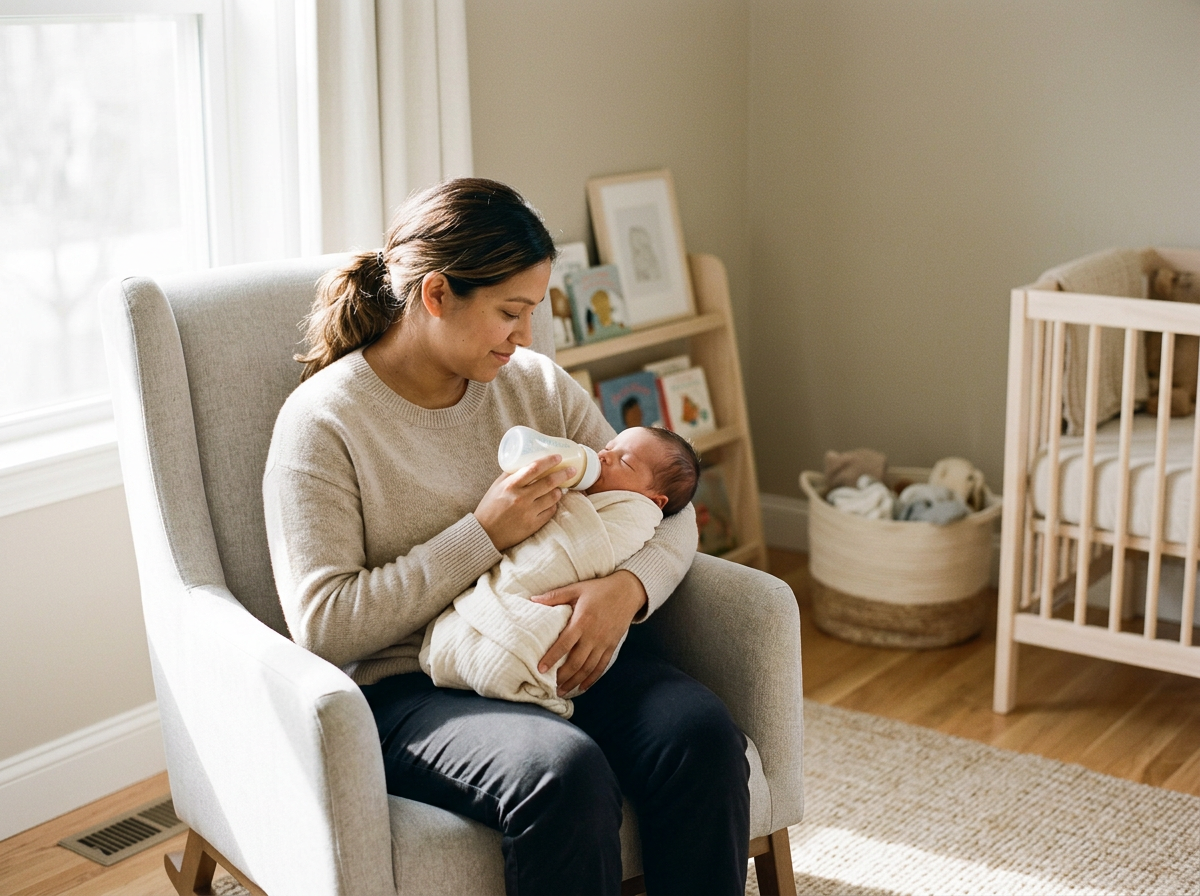
Staring at your peacefully sleeping newborn and wondering whether you should wake them up to eat? This guide walks you through everything you need to know, starting with why newborn feeding schedules matter so much and ending with the exact signs that tell you it is finally safe to let your baby sleep.
Understanding Newborn Feeding Needs
Newborns grow at an astonishing rate during the first few weeks of life, and that growth depends entirely on consistent, frequent feeding. Because a newborn's stomach holds only a small amount at a time, your baby needs to eat often, typically every two to three hours around the clock. This frequent feeding pattern supports healthy weight gain, stable blood sugar, and proper hydration during a period when your baby's body is working hard to adjust to life outside the womb.
Most newborns lose a small percentage of their birth weight in the first few days, which is completely normal. However, pediatricians expect babies to regain that weight within about two weeks. Consistent feeding plays a central role in reaching that milestone, so healthcare providers often recommend a structured feeding schedule during this early stage rather than waiting for your baby to wake up naturally every time.
Since sleep and feeding are so closely connected in the newborn stage, understanding this relationship helps you make informed decisions about when to wake your baby and when to let them rest
Should I Wake My Newborn to Feed? The General Guideline
Yes, most pediatricians recommend waking a newborn to feed during the first two to three weeks of life, especially if your baby sleeps longer than three to four hours during the day or four to five hours at night. This guideline applies most strongly to breastfed babies, since frequent feeding also helps establish and protect your milk supply during this critical early period.
Because newborns cannot always signal hunger reliably through crying alone, relying solely on hunger cues in the earliest weeks can lead to insufficient feeding and slower weight gain. As a result, healthcare providers generally recommend a proactive feeding schedule until your baby demonstrates steady weight gain and returns to their birth weight.
That said, every baby is different, and your pediatrician may adjust this general guideline based on your baby's specific health, birth weight, and growth pattern. Therefore, always confirm your baby's individual feeding needs at your first few pediatric appointments.
Why Newborns Need Frequent Feeding
Frequent feeding supports several important processes happening inside your newborn's body. First, consistent feeding helps stabilize blood sugar levels, which matters significantly during the first few days when your baby's metabolism is still adjusting. Additionally, regular feeding reduces the risk of jaundice, since feeding helps your baby's body process and eliminate bilirubin more efficiently.
Frequent feeding also supports healthy hydration, which becomes especially important in warm climates or when your baby experiences any mild illness. Because newborns cannot yet communicate thirst clearly, a consistent feeding schedule helps ensure they receive adequate fluids throughout the day and night.
For breastfeeding parents, frequent feeding carries an additional benefit: it directly supports milk production. Since milk supply operates on a demand-based system, skipping feeds too early can inadvertently signal your body to produce less milk, which may create supply challenges later on.
When It Becomes Safe to Let Your Newborn Sleep Through a Feed
Once your baby regains their birth weight, typically around two weeks of age, and continues to show steady weight gain at pediatric checkups, most doctors agree that you can let your baby sleep through an occasional feed, particularly overnight. This shift usually happens gradually rather than all at once, so you might start by allowing one longer stretch of sleep before eventually easing the schedule further.
Before making this change, however, confirm the decision with your pediatrician, since factors like prematurity, low birth weight, or any ongoing health concerns can extend the timeline for waking your baby to feed. Because every baby's growth pattern differs, this milestone should always reflect your specific child's needs rather than a general timeline alone.
Once cleared to let your baby sleep longer, pay close attention to wet diapers, overall alertness, and weight trends at follow-up visits, since these indicators confirm your baby continues to receive enough nutrition even with a slightly longer sleep stretch.
How to Wake a Sleepy Newborn for Feeding
Waking a deeply sleeping newborn can feel surprisingly difficult, so a few gentle techniques can help. Start by unswaddling your baby or removing a layer of clothing, since the slight temperature change often stirs a sleepy baby without causing distress. Next, try changing your baby's diaper before the feed, as this simple action frequently wakes a drowsy newborn enough to eat effectively.
If your baby remains sleepy, gently stroke their cheek, feet, or back, or hold them upright against your chest for a moment of skin to skin contact. Dimming overhead lights while keeping the room reasonably bright also helps signal wake time without overstimulating your baby.
Because a sleepy baby may fall back asleep quickly during feeding, pause periodically to burp your baby or gently rouse them again, ensuring they take a full, effective feed rather than just a few sleepy sips.
Signs Your Newborn Is Getting Enough to Eat
Beyond following a general feeding schedule, watch for specific signs that confirm your baby receives adequate nutrition. A newborn who produces six or more wet diapers a day, along with regular bowel movements, typically shows signs of adequate hydration and feeding. Similarly, a baby who appears alert, has good skin color, and settles contentedly after most feeds is likely getting enough to eat.
Steady weight gain at pediatric visits remains the most reliable indicator overall, since daily observations alone can sometimes feel inconclusive. Because growth patterns vary slightly from baby to baby, your pediatrician compares your baby's growth against their own trend line rather than a single fixed number.
If you ever feel uncertain about whether your baby is eating enough, do not hesitate to reach out to your pediatrician or a lactation consultant, since early support often prevents small feeding concerns from becoming bigger challenges.
Special Considerations for Premature or Low Birth Weight Babies
Premature babies and those born at a low birth weight often need an even more structured feeding schedule than full-term newborns. Because these babies may have less energy reserve and immature feeding skills, pediatricians frequently recommend waking them more consistently, sometimes every two hours, until they demonstrate strong, steady weight gain.
Babies who experience jaundice also require closer feeding attention, since consistent feeding helps their bodies process bilirubin more efficiently. If your baby falls into either of these categories, work closely with your pediatric care team to establish a feeding plan tailored specifically to your baby's health needs, rather than relying on general newborn guidelines alone.
Balancing Feeding Schedules With Future Sleep Goals
As your baby grows past the newborn stage and steady weight gain becomes established, many parents naturally start thinking about longer stretches of sleep for the whole family. Building healthy feeding habits early actually supports this transition, since a baby who feeds efficiently and gains weight consistently often adjusts more smoothly to eventual sleep training.
Because feeding and sleep remain closely linked throughout infancy, working with a knowledgeable sleep and feeding support team can help you navigate both areas together, rather than addressing them as separate, disconnected challenges.
Conclusion: Trusting the Process While Following Expert Guidance
So, should you wake your newborn to feed? In most cases during the first two to three weeks, the answer is yes, since consistent feeding supports healthy weight gain, stable blood sugar, and a strong milk supply. As your baby regains their birth weight and continues growing steadily, your pediatrician will likely give you the green light to let them sleep a bit longer.
Because every baby follows their own growth timeline, trust your pediatric team's guidance alongside your own observations of your baby's feeding and wellness signs. With patience and consistency, this early stage of frequent feeding gives way to longer, more predictable stretches of sleep for your whole family.
Frequently Asked Questions (FAQ)
Should I wake my newborn to feed during the day or only at night?
You should generally wake your newborn to feed both during the day and at night during the first two to three weeks, since consistent feeding around the clock supports healthy weight gain and milk supply.
How often should I wake my newborn to feed?
Most pediatricians recommend feeding every two to three hours during the day and no longer than four to five hours overnight until your baby regains their birth weight and shows steady growth.
What if my newborn refuses to wake up for a feeding?
Try unswaddling your baby, changing their diaper, or gently stroking their cheek or feet to encourage wakefulness. If your baby consistently resists waking for feeds, contact your pediatrician for guidance.
When can I stop waking my newborn to feed at night?
Most babies can sleep through an occasional nighttime feed once they regain their birth weight, typically around two weeks of age, and continue showing steady weight gain at checkups, though your pediatrician should confirm this timeline for your specific baby.
Does waking my newborn to feed affect breastfeeding supply?
Yes, consistent feeding, including waking your baby during the newborn stage, helps establish and protect your milk supply, since breastfeeding operates on a demand-based system.
Is it different for premature or low birth weight babies?
Yes, premature and low birth weight babies often need a more structured feeding schedule, sometimes every two hours, until they show strong, consistent weight gain confirmed by their pediatric care team.
Ready for Support Beyond the Newborn Stage?
Navigating feeding schedules is just the beginning, and better sleep often follows steady feeding habits. Sleep Child O' Mine offers personalized newborn care, lactation support, and gentle sleep coaching to help your family move confidently from feeding schedules to restful nights.
Visit Sleep Child O' Mine today to explore support designed around your newborn's unique needs.
Sleep Training Services Offering Personalized Nap Coaching: A Complete Guide for Tired Parents
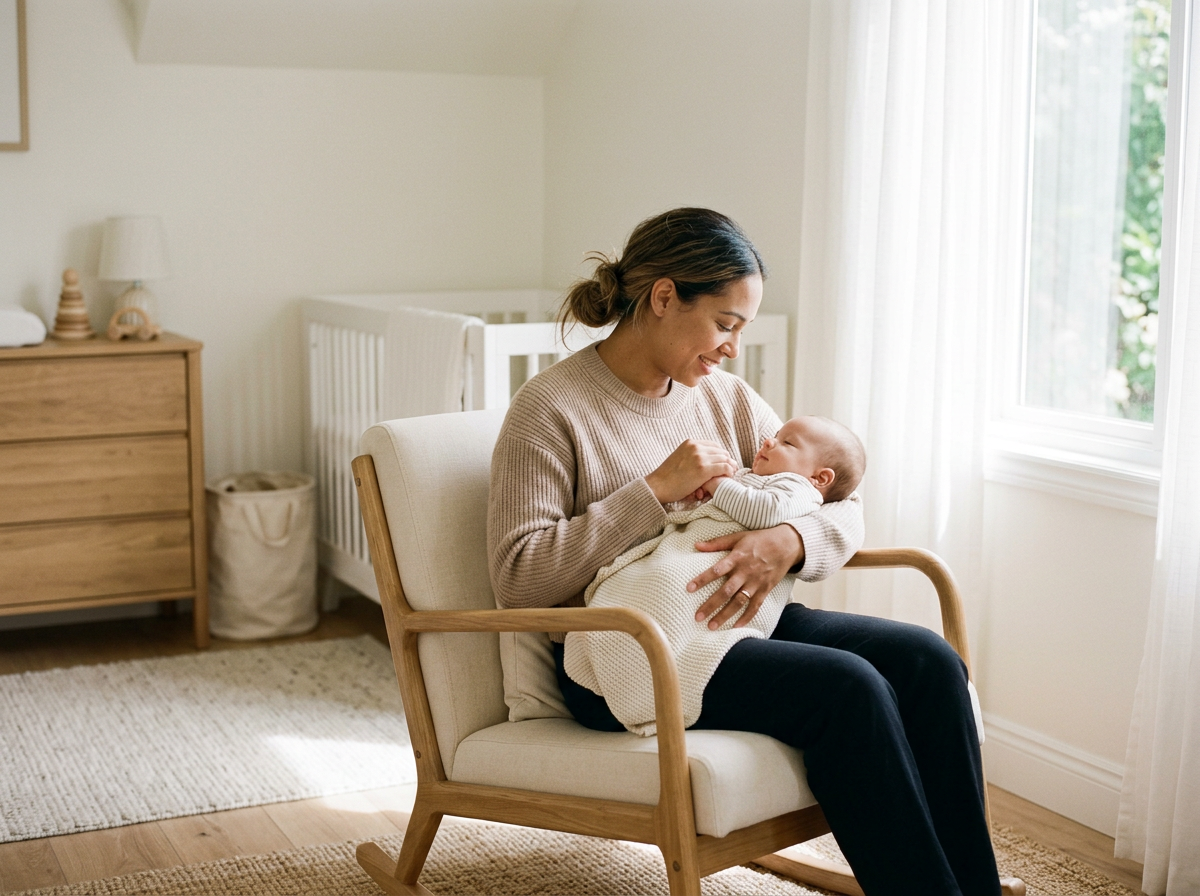
Exhausted from unpredictable naps and short nights? Sleep training services offering personalized nap coaching help your family build a realistic, sustainable sleep routine, and this guide explains exactly how the process works, from the basics of sleep training down to what a coaching session actually looks like.
Understanding Sleep Training: A Foundation for Better Days and Nights
Sleep training refers to the process of teaching a baby or toddler to fall asleep independently and stay asleep for longer stretches. Parents often assume sleep training only applies to nighttime sleep, but it actually covers every sleep period across the day, including naps. Because naps and nighttime sleep influence each other so directly, a strong sleep training approach addresses both together rather than treating them as separate problems.
Every child develops sleep skills at a different pace, so a rigid, one-size-fits-all method rarely works for long. Instead, effective sleep training adapts to your child's temperament, age, and daily schedule. This is exactly where sleep training services offering personalized nap coaching set themselves apart from generic advice you might find in a book or a social media post. A personalized approach considers your specific child, your specific household, and your specific goals, so the plan actually fits your life.
Before diving into any sleep training method, it helps to understand why professional support makes such a meaningful difference. Sleep science involves circadian rhythms, sleep pressure, and age-appropriate wake windows, and these concepts interact in ways that are not always obvious to an exhausted parent at two in the morning. A trained sleep consultant translates this science into a clear, practical plan you can follow with confidence.
Why Naps Matter as Much as Nighttime Sleep
Many parents focus almost entirely on nighttime sleep, yet naps play an equally important role in a child's development. During daytime naps, your child's brain consolidates memories, regulates emotions, and supports physical growth, much like it does at night. Consequently, when naps fall apart, nighttime sleep often suffers too, since an overtired baby actually finds it harder to fall and stay asleep.
Nap schedules also shift constantly as children grow. A newborn might need four or five short naps a day, while a toddler transitions down to a single afternoon nap. Because these transitions happen quickly and without warning, parents often struggle to know when and how to adjust. This is precisely why sleep training services offering personalized nap coaching focus so heavily on naps rather than nighttime sleep alone.
Without a consistent nap routine, your child's whole day can feel unpredictable, and that unpredictability adds stress for the entire family. A well-structured nap schedule, on the other hand, creates a rhythm that benefits everyone, from your child's mood to your own ability to plan the day ahead.
What Sleep Training Services Offering Personalized Nap Coaching Actually Include
When you work with a sleep coach, the process typically starts with a detailed assessment of your child's current sleep habits, schedule, and environment. This assessment allows the coach to identify exactly what is disrupting sleep, whether that involves an inconsistent nap schedule, a sleep environment that needs adjustment, or a feeding routine that overlaps awkwardly with nap time.
From there, sleep training services offering personalized nap coaching build a custom plan tailored to your child's age and temperament. This plan usually includes recommended wake windows, an ideal nap schedule, guidance on sleep associations, and a step-by-step method for helping your child fall asleep independently. Because every family's situation looks different, the plan also accounts for practical realities like daycare schedules, siblings, and your own work hours.
Ongoing support forms another essential part of the service. Rather than handing you a plan and disappearing, most nap coaches check in regularly, troubleshoot setbacks, and adjust the approach as your child grows. This continued guidance often makes the biggest difference, since sleep progress rarely follows a perfectly straight line.
The Benefits of Working With a Personalized Nap Coach
One of the clearest benefits of personalized nap coaching is the amount of time it saves. Instead of testing countless conflicting tips from articles and forums, you follow a single, coordinated plan built specifically for your child. As a result, you avoid the trial-and-error phase that leaves so many parents feeling stuck and frustrated.
Personalized coaching also builds parental confidence. When a professional walks you through the reasoning behind each recommendation, you understand not just what to do, but why it works for your specific child. This understanding makes it easier to stay consistent, and consistency remains one of the most important factors in successful sleep training.
Beyond convenience and confidence, better sleep genuinely improves your child's overall well-being. Well-rested children tend to show better mood regulation, stronger attention spans, and healthier growth patterns. Meanwhile, parents who finally get consistent rest often notice improvements in their own mental health, patience, and ability to enjoy time with their family.
Common Sleep Training Methods Explained
Several established sleep training methods exist, and a good coach helps you choose the one that fits your comfort level and your child's personality. Gentle methods, such as gradual retreat, involve slowly reducing your presence in the room over several nights, allowing your child to build independence at a comfortable pace.
Other methods, like the Ferber method, use timed check-ins that gradually increase in length, giving your child space to self-soothe while still receiving reassurance. Meanwhile, extinction-based methods remove parental intervention entirely once the child is placed in the crib, and some families prefer this faster approach when circumstances call for quicker results.
No single method works best for every family, and a knowledgeable nap coach explains the pros and cons of each option clearly. Because personalized nap coaching accounts for your specific values and your child's temperament, you never feel pressured into an approach that conflicts with your parenting style.
How Personalized Coaching Differs From Generic Sleep Advice
Generic sleep advice usually applies a single formula to every child, regardless of age, temperament, or family circumstances. While this advice can occasionally help, it often fails to address the specific factors causing sleep struggles in your household. For example, a nap schedule that works perfectly for one baby might completely overwhelm another baby with different sleep needs.
Personalized coaching, on the other hand, starts with your child's actual data: their age, their current schedule, their sleep environment, and their unique challenges. Because the plan reflects real information rather than general assumptions, it tends to produce faster, more sustainable results. Additionally, a personalized coach adjusts the plan in real time as your child responds, something a generic guide simply cannot do.
This tailored approach also considers your family's values and boundaries. Whether you prefer a gentle method or a more structured approach, a good coach respects your comfort level while still guiding you toward realistic, achievable goals.
What to Expect From a Sleep Consultation Process
Most sleep training services offering personalized nap coaching begin with an initial consultation, where you discuss your child's sleep history, daily routine, and specific concerns. This conversation gives the coach the context needed to design an effective plan from the very start.
After the consultation, you typically receive a written sleep plan that outlines wake windows, nap timing, bedtime routines, and a clear method for building independent sleep skills. Many services also include a phone or video call to walk through the plan together, ensuring you feel comfortable before you begin implementation.
Once you start following the plan, ongoing support becomes essential. Regular check-ins, whether through messaging, email, or scheduled calls, allow your coach to track progress, address unexpected challenges, and fine-tune the approach as needed. This structure helps you stay on track even when progress feels slow on certain days.
Signs Your Child May Benefit From Nap Coaching
Certain patterns often signal that professional nap coaching could help your family. If your child fights naps consistently, wakes up cranky after short naps, or struggles to fall asleep without extensive rocking or feeding, these signs suggest an underlying schedule or sleep association issue.
Frequent early morning wake-ups, unpredictable nap lengths, and difficulty transitioning between nap stages also point toward the need for structured guidance. Similarly, if you find yourself constantly adjusting the schedule with no real improvement, a personalized plan can identify the root cause rather than continuing the guesswork.
Parental exhaustion counts as a valid reason to seek support too. If disrupted naps and unpredictable nights leave you feeling overwhelmed, working with a nap coach can restore both your child's sleep and your own peace of mind.
How to Choose the Right Sleep Training Service for Your Family
Selecting the right sleep training service starts with checking a coach's credentials and experience. Look for certifications from recognized sleep consulting programs, along with reviews or testimonials from families with similar sleep challenges.
Next, consider the coach's approach to personalization. A strong service asks detailed questions about your child's temperament, your household routine, and your comfort level with different sleep training methods before recommending a plan. If a service offers the same generic plan to every client, that likely signals a lack of true personalization.
Finally, evaluate the level of ongoing support included. Because sleep progress rarely moves in a straight line, choose a service that offers real communication access during the process, rather than a one-time plan with no follow-up. This ongoing relationship often determines whether a sleep training plan succeeds long term.
Real Family Results With Personalized Nap Coaching
Families who commit to a personalized nap coaching plan often notice meaningful changes within just a couple of weeks. Naps become more predictable, bedtime resistance decreases, and nighttime wake-ups grow less frequent as the child builds stronger independent sleep skills.
Beyond the sleep improvements themselves, parents frequently describe feeling more confident and less anxious about sleep in general. Instead of dreading nap time or bedtime, they approach each day with a clear routine and realistic expectations. Ultimately, this shift benefits the whole household, since better sleep tends to improve mood, patience, and connection across every family member.
Conclusion: Choosing Personalized Support for Better Sleep
Sleep training services offering personalized nap coaching give families a realistic path toward better naps, better nights, and a calmer daily routine. Rather than relying on generic advice that ignores your child's unique needs, a personalized plan considers your child's age, temperament, and household circumstances from the very beginning.
Because ongoing support plays such a critical role in long-term success, choosing a service that stays involved throughout the process makes a meaningful difference. So, if unpredictable naps and exhausting nights have taken over your household, personalized nap coaching offers a clear, supportive way forward.
Frequently Asked Questions (FAQ)
-
These services typically include a full assessment of your child's sleep habits, a custom nap and sleep schedule, guidance on sleep training methods, and ongoing support to adjust the plan as your child grows.
-
Most sleep coaches recommend starting structured nap coaching around four to six months of age, once a baby's sleep patterns begin to mature. However, some services offer gentler guidance for younger infants as well.
-
Personalized nap coaching considers your specific child's age, temperament, and household routine, while a generic schedule applies the same approach to every baby regardless of individual needs. This tailored process typically produces faster, more sustainable results.
-
Many families notice meaningful improvements within one to two weeks of following a personalized plan, though the exact timeline depends on the child's age, temperament, and consistency of implementation.
-
No, effective sleep training services offering personalized nap coaching address both daytime naps and nighttime sleep together, since the two areas influence each other significantly.
-
For many families, professional nap coaching saves significant time and stress by replacing trial-and-error with a clear, personalized plan. It also provides ongoing support, which often makes the difference between short-term progress and lasting results.
Ready to Build a Better Sleep Routine?
You do not have to navigate unpredictable naps and exhausting nights alone. Sleep Child O' Mine offers sleep training services with personalized nap coaching designed around your child's unique needs and your family's daily life.
Visit Sleep Child O' Mine today to start building a sleep routine your whole family can finally rely on.
How to Successfully Sleep Train a Baby Who Relies on a Pacifier for Comfort
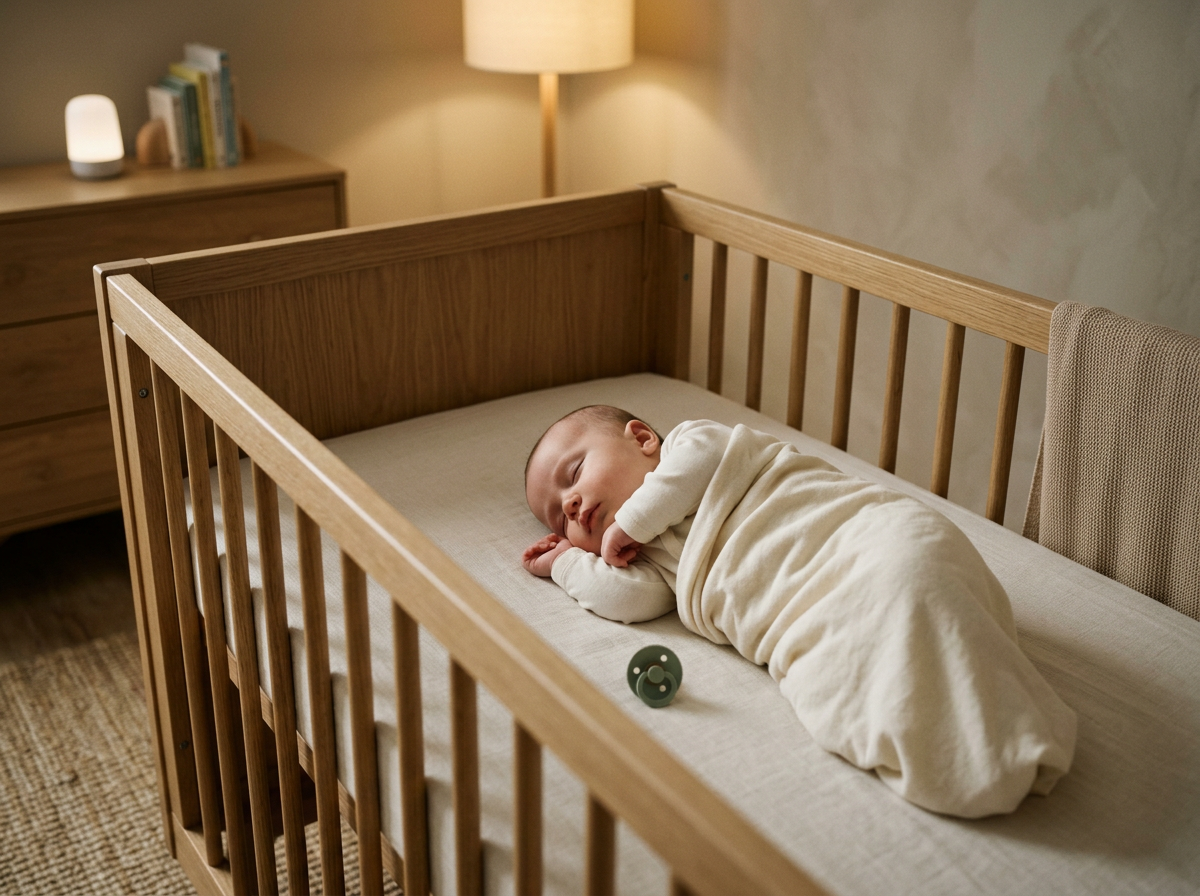
Does your baby wake up crying the moment the pacifier falls out? This guide walks you through how to successfully sleep train a baby who relies on a pacifier for comfort, starting with the basics of pacifier dependence and moving toward a clear, practical plan you can start tonight.
Understanding Sleep Training and Pacifier Dependence
Sleep training teaches a baby to fall asleep independently and return to sleep without help after normal nighttime wake ups. Many babies build a strong attachment to a pacifier during this process, since sucking naturally soothes them and helps regulate their nervous system. Because this attachment forms so early, pacifier dependence becomes one of the most common obstacles parents face when they start sleep training.
Pacifier dependence simply means your baby cannot fall asleep or resettle without the pacifier in their mouth. This pattern develops gradually, often without parents even noticing, since offering the pacifier at bedtime feels like such a natural, comforting habit. However, once your baby wakes at 2 a.m. searching for a pacifier they cannot find or replace on their own, that same habit becomes the reason everyone loses sleep.
Recognizing this connection matters because it shapes the entire sleep training approach. Rather than treating the pacifier as an unrelated bedtime item, an effective plan treats it as a sleep association that needs a clear strategy, whether that strategy involves managing it, reducing it, or removing it altogether.
Why Pacifier Dependent Babies Present a Unique Sleep Training Challenge
Babies who rely heavily on a pacifier often wake more frequently overnight, not because they need to eat or feel unwell, but simply because the pacifier slipped out of their mouth. Since a young baby cannot yet locate and reinsert the pacifier alone, this small interruption often escalates into a full wake up that requires a parent's help.
This challenge differs from other sleep associations, such as rocking or feeding, because a pacifier can actually stay in the crib as a tool your baby learns to manage. Consequently, the goal of sleep training in this case does not always mean removing the pacifier completely. Instead, many families focus on teaching their baby to find, use, and eventually let go of the pacifier without needing a parent to step in every time.
Understanding this distinction helps set realistic expectations from the start. Because pacifier dependence involves a physical skill as much as a habit, progress often looks different than it does with other sleep associations, and that is completely normal.
Preparing to Sleep Train a Pacifier-Dependent Baby
Before you begin, take time to observe your baby's current sleep patterns and pacifier habits. Notice how often your baby wakes overnight, whether those wake ups happen at predictable times, and whether your baby cries immediately or fusses briefly before settling. This information gives you a clear baseline to measure progress against.
Next, consider your baby's age and developmental readiness. Most sleep experts recommend waiting until at least four to six months before starting formal sleep training, since younger babies still need nighttime feedings and have not yet developed the motor skills to self-soothe effectively. Because timing matters so much, starting too early can lead to unnecessary frustration for both you and your baby.
Finally, decide on your overall approach. Some parents choose to place several pacifiers around the crib so their baby can find one independently, while others use sleep training as an opportunity to gradually reduce pacifier reliance altogether. Either path can work, so choose the one that fits your family's values and your baby's temperament.
How to Successfully Sleep Train a Baby Who Relies on a Pacifier for Comfort: A Step by Step Plan
Start by establishing a predictable bedtime routine that includes offering the pacifier as one of the final steps before placing your baby in the crib. This routine signals to your baby that sleep time has arrived and gives the pacifier a consistent, calming role within that sequence.
Once your baby wakes overnight, pause briefly before responding. Many babies fuss for a few seconds or even minutes and then resettle on their own, especially once they gain a bit of practice. If your baby continues to cry, enter the room calmly, help them find the pacifier or reinsert it quickly, and leave again without additional interaction. This teaches your baby that the pacifier, not your presence, provides the comfort they need.
Over the following nights, gradually extend the time you wait before responding, and reduce how much you do for your baby once you enter the room. For example, you might start by handing your baby the pacifier directly, then progress to simply pointing toward it, and eventually let your baby locate it entirely on their own. This gradual approach builds independence step by step, so your baby develops real self-soothing skills instead of relying on a fast fix.
Consistency across naps and nighttime sleep also plays a critical role. Because babies generalize sleep skills across different sleep periods, using the same approach for both naps and nighttime sleep speeds up the entire learning process.
Common Sleep Training Methods Adapted for Pacifier Use
Several established sleep training methods work well when you adapt them for pacifier dependent babies. Gradual retreat involves slowly reducing your involvement over several nights, and you can adapt this method by gradually reducing how much help you give with the pacifier rather than removing your presence from the room entirely.
The chair method, which involves sitting near the crib and moving further away each night, pairs naturally with pacifier fading, since your baby learns to settle with less parental input while still keeping the pacifier as a comfort tool. Meanwhile, timed check-in methods, such as the Ferber method, work well for parents who prefer a structured approach with clear, predictable intervals between check ins.
Because every baby responds differently, a method that works beautifully for one family might feel overwhelming for another. Testing a method for several consistent nights before switching approaches usually produces better results than jumping between strategies too quickly.
Should You Wean the Pacifier Before or During Sleep Training?
This question comes up often, and the honest answer depends on your baby's age and your family's preferences. Weaning the pacifier before sleep training removes one variable from the process, which can simplify things for parents who feel overwhelmed by tackling both changes at once. This approach often works best for older toddlers who show signs of pacifier dependence beyond typical infancy.
On the other hand, many families successfully sleep train while keeping the pacifier in place, especially with younger babies who still benefit from the soothing, sucking reflex. In these cases, sleep training focuses on independence within the sleep space rather than removing the pacifier entirely. Since younger babies gain real developmental benefits from pacifier use, waiting until closer to their first birthday to consider full weaning often makes more sense.
Ultimately, no universal answer applies to every family. Instead, base your decision on your baby's age, your household's tolerance for tackling multiple changes at once, and your own comfort level with the process.
Troubleshooting Common Setbacks
Setbacks happen for nearly every family during sleep training, so expect a few bumps along the way. If your baby suddenly wakes more often after a few nights of progress, consider whether teething, illness, or a developmental leap might be temporarily increasing their need for comfort. These regressions typically resolve within a week or two once the underlying cause passes.
If your baby cries intensely every time the pacifier falls out, try transitioning to a crib with multiple pacifiers placed strategically within reach, since this small adjustment often reduces the number of full wake ups. Additionally, double check that your baby's sleep environment supports rest overall, including room temperature, noise levels, and light exposure, since these factors can undermine even a well-designed sleep training plan.
Above all, stay consistent even when progress feels slow. Because babies need repetition to build new skills, switching strategies too often usually delays progress rather than speeding it up.
Signs Your Approach Is Working
Progress during sleep training rarely looks dramatic overnight, so watch for smaller, meaningful signs instead. Shorter periods of crying before your baby resettles, fewer full wake ups requiring your intervention, and longer overall stretches of sleep all indicate that your baby is building genuine self-soothing skills.
You might also notice your baby beginning to search for the pacifier independently, even if they cannot fully manage it alone yet. This attempt alone shows real developmental progress, since it means your baby recognizes the pacifier as a tool they can use rather than something only you can provide.
As these small wins accumulate, most families notice a clear overall trend toward more predictable, restful nights within two to three weeks.
When to Seek Professional Support
If you have tried a consistent approach for several weeks without meaningful improvement, professional support can help identify what specifically needs adjustment. A certified sleep consultant evaluates your baby's schedule, environment, and current habits, then builds a personalized plan that accounts for pacifier use rather than working against it.
Professional guidance also helps when parents feel unsure about which method fits their baby best, or when conflicting advice from family, friends, and online sources creates more confusion than clarity. Because every baby responds differently, personalized support often resolves challenges far faster than continued trial and error.
Conclusion: Building Independent Sleep Skills at Your Baby's Pace
So, how do you successfully sleep train a baby who relies on a pacifier for comfort? The process starts with understanding pacifier dependence, choosing a realistic strategy, and staying consistent through the natural ups and downs of learning a new skill. Whether you decide to keep the pacifier in place or gradually wean it away, the most important factor remains consistency across every nap and every night.
Because every baby develops at their own pace, progress may look different from what other families experience, and that is completely normal. With patience, a clear plan, and realistic expectations, most babies learn to settle independently within just a few weeks.
Frequently Asked Questions (FAQ)
-
You successfully sleep train a baby who relies on a pacifier for comfort by establishing a consistent bedtime routine, teaching your baby to find or manage the pacifier independently, and applying the same approach consistently across naps and nighttime sleep.
-
Not necessarily. Many families successfully sleep train while keeping the pacifier in place, especially with younger babies, by focusing on independence within the sleep space rather than removing the pacifier entirely.
-
Younger babies often cannot yet locate or reinsert a pacifier on their own, so losing it during sleep can trigger a full wake up. Placing several pacifiers within reach in the crib often reduces this issue over time
-
Most families notice meaningful progress within two to three weeks, though the exact timeline depends on your baby's age, temperament, and how consistently you apply the chosen method.
-
Most sleep experts recommend waiting until at least four to six months of age, since younger babies still need nighttime feedings and have not yet developed the skills needed for effective self-soothing.
-
If you see no meaningful improvement after several consistent weeks, consider working with a certified sleep consultant who can evaluate your baby's specific habits and build a personalized plan around pacifier use.
Related Articles


