
Sleep Training Services Offering Personalized Nap Coaching: A Complete Guide for Tired Parents
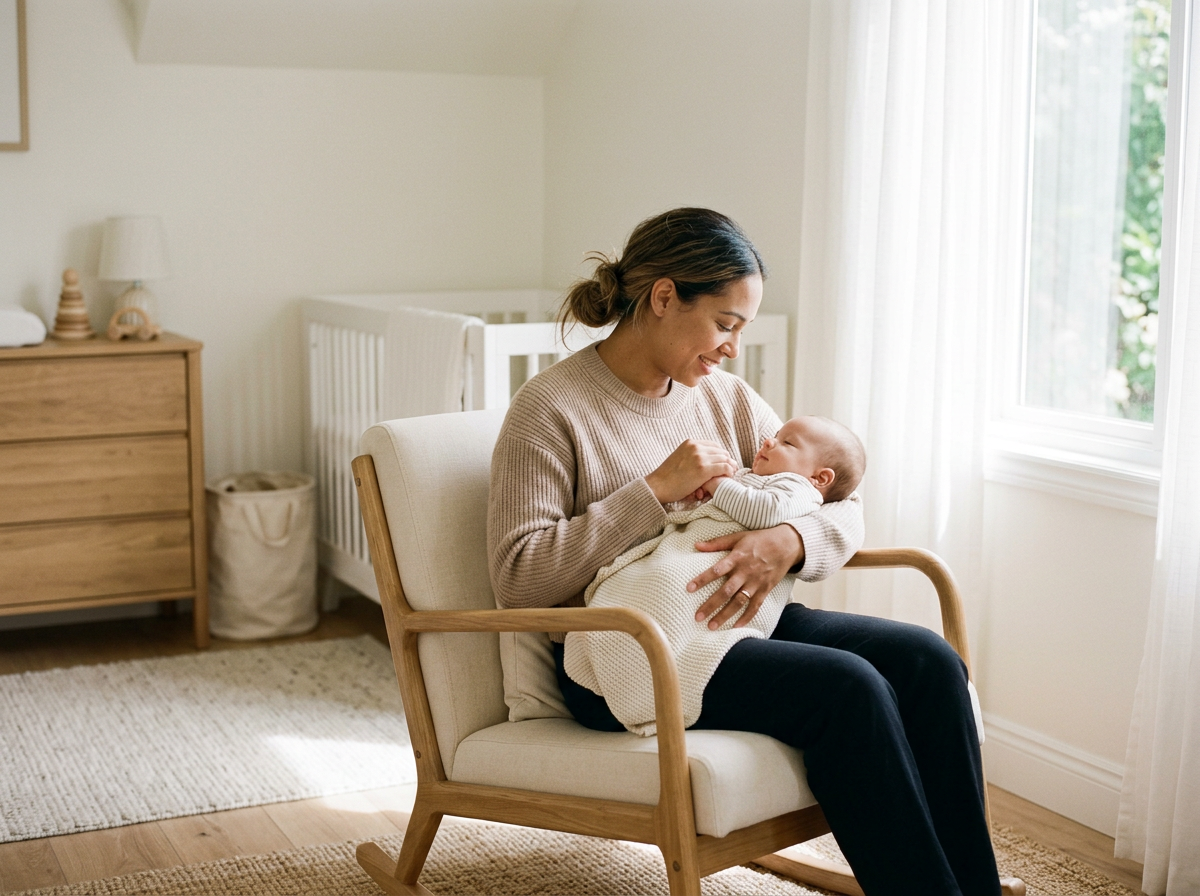
Exhausted from unpredictable naps and short nights? Sleep training services offering personalized nap coaching help your family build a realistic, sustainable sleep routine, and this guide explains exactly how the process works, from the basics of sleep training down to what a coaching session actually looks like.
Understanding Sleep Training: A Foundation for Better Days and Nights
Sleep training refers to the process of teaching a baby or toddler to fall asleep independently and stay asleep for longer stretches. Parents often assume sleep training only applies to nighttime sleep, but it actually covers every sleep period across the day, including naps. Because naps and nighttime sleep influence each other so directly, a strong sleep training approach addresses both together rather than treating them as separate problems.
Every child develops sleep skills at a different pace, so a rigid, one-size-fits-all method rarely works for long. Instead, effective sleep training adapts to your child's temperament, age, and daily schedule. This is exactly where sleep training services offering personalized nap coaching set themselves apart from generic advice you might find in a book or a social media post. A personalized approach considers your specific child, your specific household, and your specific goals, so the plan actually fits your life.
Before diving into any sleep training method, it helps to understand why professional support makes such a meaningful difference. Sleep science involves circadian rhythms, sleep pressure, and age-appropriate wake windows, and these concepts interact in ways that are not always obvious to an exhausted parent at two in the morning. A trained sleep consultant translates this science into a clear, practical plan you can follow with confidence.
Why Naps Matter as Much as Nighttime Sleep
Many parents focus almost entirely on nighttime sleep, yet naps play an equally important role in a child's development. During daytime naps, your child's brain consolidates memories, regulates emotions, and supports physical growth, much like it does at night. Consequently, when naps fall apart, nighttime sleep often suffers too, since an overtired baby actually finds it harder to fall and stay asleep.
Nap schedules also shift constantly as children grow. A newborn might need four or five short naps a day, while a toddler transitions down to a single afternoon nap. Because these transitions happen quickly and without warning, parents often struggle to know when and how to adjust. This is precisely why sleep training services offering personalized nap coaching focus so heavily on naps rather than nighttime sleep alone.
Without a consistent nap routine, your child's whole day can feel unpredictable, and that unpredictability adds stress for the entire family. A well-structured nap schedule, on the other hand, creates a rhythm that benefits everyone, from your child's mood to your own ability to plan the day ahead.
What Sleep Training Services Offering Personalized Nap Coaching Actually Include
When you work with a sleep coach, the process typically starts with a detailed assessment of your child's current sleep habits, schedule, and environment. This assessment allows the coach to identify exactly what is disrupting sleep, whether that involves an inconsistent nap schedule, a sleep environment that needs adjustment, or a feeding routine that overlaps awkwardly with nap time.
From there, sleep training services offering personalized nap coaching build a custom plan tailored to your child's age and temperament. This plan usually includes recommended wake windows, an ideal nap schedule, guidance on sleep associations, and a step-by-step method for helping your child fall asleep independently. Because every family's situation looks different, the plan also accounts for practical realities like daycare schedules, siblings, and your own work hours.
Ongoing support forms another essential part of the service. Rather than handing you a plan and disappearing, most nap coaches check in regularly, troubleshoot setbacks, and adjust the approach as your child grows. This continued guidance often makes the biggest difference, since sleep progress rarely follows a perfectly straight line.
The Benefits of Working With a Personalized Nap Coach
One of the clearest benefits of personalized nap coaching is the amount of time it saves. Instead of testing countless conflicting tips from articles and forums, you follow a single, coordinated plan built specifically for your child. As a result, you avoid the trial-and-error phase that leaves so many parents feeling stuck and frustrated.
Personalized coaching also builds parental confidence. When a professional walks you through the reasoning behind each recommendation, you understand not just what to do, but why it works for your specific child. This understanding makes it easier to stay consistent, and consistency remains one of the most important factors in successful sleep training.
Beyond convenience and confidence, better sleep genuinely improves your child's overall well-being. Well-rested children tend to show better mood regulation, stronger attention spans, and healthier growth patterns. Meanwhile, parents who finally get consistent rest often notice improvements in their own mental health, patience, and ability to enjoy time with their family.
Common Sleep Training Methods Explained
Several established sleep training methods exist, and a good coach helps you choose the one that fits your comfort level and your child's personality. Gentle methods, such as gradual retreat, involve slowly reducing your presence in the room over several nights, allowing your child to build independence at a comfortable pace.
Other methods, like the Ferber method, use timed check-ins that gradually increase in length, giving your child space to self-soothe while still receiving reassurance. Meanwhile, extinction-based methods remove parental intervention entirely once the child is placed in the crib, and some families prefer this faster approach when circumstances call for quicker results.
No single method works best for every family, and a knowledgeable nap coach explains the pros and cons of each option clearly. Because personalized nap coaching accounts for your specific values and your child's temperament, you never feel pressured into an approach that conflicts with your parenting style.
How Personalized Coaching Differs From Generic Sleep Advice
Generic sleep advice usually applies a single formula to every child, regardless of age, temperament, or family circumstances. While this advice can occasionally help, it often fails to address the specific factors causing sleep struggles in your household. For example, a nap schedule that works perfectly for one baby might completely overwhelm another baby with different sleep needs.
Personalized coaching, on the other hand, starts with your child's actual data: their age, their current schedule, their sleep environment, and their unique challenges. Because the plan reflects real information rather than general assumptions, it tends to produce faster, more sustainable results. Additionally, a personalized coach adjusts the plan in real time as your child responds, something a generic guide simply cannot do.
This tailored approach also considers your family's values and boundaries. Whether you prefer a gentle method or a more structured approach, a good coach respects your comfort level while still guiding you toward realistic, achievable goals.
What to Expect From a Sleep Consultation Process
Most sleep training services offering personalized nap coaching begin with an initial consultation, where you discuss your child's sleep history, daily routine, and specific concerns. This conversation gives the coach the context needed to design an effective plan from the very start.
After the consultation, you typically receive a written sleep plan that outlines wake windows, nap timing, bedtime routines, and a clear method for building independent sleep skills. Many services also include a phone or video call to walk through the plan together, ensuring you feel comfortable before you begin implementation.
Once you start following the plan, ongoing support becomes essential. Regular check-ins, whether through messaging, email, or scheduled calls, allow your coach to track progress, address unexpected challenges, and fine-tune the approach as needed. This structure helps you stay on track even when progress feels slow on certain days.
Signs Your Child May Benefit From Nap Coaching
Certain patterns often signal that professional nap coaching could help your family. If your child fights naps consistently, wakes up cranky after short naps, or struggles to fall asleep without extensive rocking or feeding, these signs suggest an underlying schedule or sleep association issue.
Frequent early morning wake-ups, unpredictable nap lengths, and difficulty transitioning between nap stages also point toward the need for structured guidance. Similarly, if you find yourself constantly adjusting the schedule with no real improvement, a personalized plan can identify the root cause rather than continuing the guesswork.
Parental exhaustion counts as a valid reason to seek support too. If disrupted naps and unpredictable nights leave you feeling overwhelmed, working with a nap coach can restore both your child's sleep and your own peace of mind.
How to Choose the Right Sleep Training Service for Your Family
Selecting the right sleep training service starts with checking a coach's credentials and experience. Look for certifications from recognized sleep consulting programs, along with reviews or testimonials from families with similar sleep challenges.
Next, consider the coach's approach to personalization. A strong service asks detailed questions about your child's temperament, your household routine, and your comfort level with different sleep training methods before recommending a plan. If a service offers the same generic plan to every client, that likely signals a lack of true personalization.
Finally, evaluate the level of ongoing support included. Because sleep progress rarely moves in a straight line, choose a service that offers real communication access during the process, rather than a one-time plan with no follow-up. This ongoing relationship often determines whether a sleep training plan succeeds long term.
Real Family Results With Personalized Nap Coaching
Families who commit to a personalized nap coaching plan often notice meaningful changes within just a couple of weeks. Naps become more predictable, bedtime resistance decreases, and nighttime wake-ups grow less frequent as the child builds stronger independent sleep skills.
Beyond the sleep improvements themselves, parents frequently describe feeling more confident and less anxious about sleep in general. Instead of dreading nap time or bedtime, they approach each day with a clear routine and realistic expectations. Ultimately, this shift benefits the whole household, since better sleep tends to improve mood, patience, and connection across every family member.
Conclusion: Choosing Personalized Support for Better Sleep
Sleep training services offering personalized nap coaching give families a realistic path toward better naps, better nights, and a calmer daily routine. Rather than relying on generic advice that ignores your child's unique needs, a personalized plan considers your child's age, temperament, and household circumstances from the very beginning.
Because ongoing support plays such a critical role in long-term success, choosing a service that stays involved throughout the process makes a meaningful difference. So, if unpredictable naps and exhausting nights have taken over your household, personalized nap coaching offers a clear, supportive way forward.
Frequently Asked Questions (FAQ)
-
These services typically include a full assessment of your child's sleep habits, a custom nap and sleep schedule, guidance on sleep training methods, and ongoing support to adjust the plan as your child grows.
-
Most sleep coaches recommend starting structured nap coaching around four to six months of age, once a baby's sleep patterns begin to mature. However, some services offer gentler guidance for younger infants as well.
-
Personalized nap coaching considers your specific child's age, temperament, and household routine, while a generic schedule applies the same approach to every baby regardless of individual needs. This tailored process typically produces faster, more sustainable results.
-
Many families notice meaningful improvements within one to two weeks of following a personalized plan, though the exact timeline depends on the child's age, temperament, and consistency of implementation.
-
No, effective sleep training services offering personalized nap coaching address both daytime naps and nighttime sleep together, since the two areas influence each other significantly.
-
For many families, professional nap coaching saves significant time and stress by replacing trial-and-error with a clear, personalized plan. It also provides ongoing support, which often makes the difference between short-term progress and lasting results.
Ready to Build a Better Sleep Routine?
You do not have to navigate unpredictable naps and exhausting nights alone. Sleep Child O' Mine offers sleep training services with personalized nap coaching designed around your child's unique needs and your family's daily life.
Visit Sleep Child O' Mine today to start building a sleep routine your whole family can finally rely on.
