

Toddler Bedtime Battles: Why They Happen and How to Handle Them

The bath is done, the pajamas are on, and the book is finished. Then your toddler announces that they need water, a hug, a different blanket, and a very urgent conversation about dinosaurs. If this scene sounds familiar, you are dealing with toddler bedtime battles, and you are far from alone. Almost every family with a child between 18 months and 4 years old faces them at some point. Fortunately, these nightly standoffs have clear causes, and you can solve them with calm, consistent, and gentle strategies. This guide explains why toddler bedtime battles happen, how to respond in the moment, and how to build a bedtime that your whole family can enjoy.
What Are Toddler Bedtime Battles?
Toddler bedtime battles are the repeated conflicts that stretch bedtime from a peaceful wind-down into a long, stressful negotiation. Some toddlers cry and refuse to enter the bedroom. Others cooperate until the lights go out and then stall for an hour. Still others climb out of bed again and again, each time with a brand new request.
Although every child expresses resistance differently, the pattern usually looks the same. Your toddler pushes, you set a limit, and both of you grow more frustrated as the evening drags on. Meanwhile, the clock keeps ticking, and your own downtime shrinks.
Importantly, toddler bedtime battles do not mean you have done something wrong. They also do not mean your child is stubborn by nature or "bad" at sleep. Instead, they signal that your toddler is growing, testing boundaries, and learning who they are. Once you see the behavior as development rather than defiance, you can respond with far more patience.
Why Toddler Sleep Changes Between Ages 1 and 3
Before you tackle specific problems, it helps to understand the bigger picture. Toddlerhood brings some of the fastest brain and body growth of a child's life. As a result, sleep shifts too.
Most toddlers need roughly 11 to 14 hours of sleep in every 24 hours, including naps, according to widely used pediatric sleep guidelines. Children between 3 and 5 years old usually need about 10 to 13 hours. However, individual needs vary, so you should treat these numbers as a range rather than a rule.
During this stage, your child also moves through several big transitions. Many toddlers drop from two naps to one around 15 to 18 months. Later, some give up naps altogether between ages 2 and 4. Each change can temporarily disrupt bedtime, because the old schedule no longer fits the new sleep needs.
In addition, toddlers develop strong preferences, bigger vocabularies, and a powerful sense of independence. Consequently, they begin to say "no" often, and they mean it. Bedtime, the moment when you ask them to stop playing and separate from you, becomes an ideal stage for that newfound independence.
The Most Common Causes of Toddler Bedtime Battles
Once you know why your toddler resists, you can choose the right solution. Most bedtime struggles trace back to one or more of the following causes.
A Strong Need for Independence
Toddlers crave control, yet adults make nearly every decision for them. Bedtime is one more moment when a parent says, "It's time." Naturally, your child pushes back. They want to feel powerful, and refusing to sleep is one of the few things you cannot force them to do.
Separation Anxiety and the Need for Connection
Many toddlers go through separation anxiety well past the baby stage. After a full day away from a parent at daycare or preschool, your child may use bedtime to reconnect. Therefore, the requests for one more cuddle or one more story often express a real emotional need rather than simple stalling.
Overtiredness
Surprisingly, an overtired toddler often fights sleep harder than a rested one. When a child stays awake too long, their body releases stress hormones that create a second wind. You may see wild energy, tantrums, or silliness instead of yawns. Ironically, putting that child to bed later usually makes the battle worse.
Not Enough Sleep Pressure
On the other side, a toddler who is not tired enough also struggles. A long afternoon nap, a late nap, or a bedtime that sits too early can leave your child wide awake at lights out. If you want to find the right timing for your child, our guide on what time 3 year olds should go to bed explains how to match bedtime to age and nap schedule.
Fears and Active Imaginations
Around age 2 and 3, imagination explodes. Your child can now picture monsters, shadows, and scary noises. Because toddlers cannot yet separate fantasy from reality, these fears feel completely real. A toddler who suddenly refuses to be alone in the dark often experiences genuine worry.
Inconsistent Routines and Rules
Finally, mixed messages fuel the fire. If one parent allows a fifth book while the other holds firm, or if the rules change from night to night, your toddler learns that pushing works sometimes. Understandably, they keep pushing.
Common Stalling Tactics (and What They Really Mean)
Toddlers are creative negotiators. Still, most stalling falls into a few predictable categories. When you recognize the tactic, you can respond to the need behind it.
First, the "one more" request. Your child asks for one more book, one more song, or one more kiss. This tactic usually signals a wish for connection, so you can meet it with a firm routine that already includes plenty of closeness.
Second, the "I need" list. Water, the bathroom, a tissue, a different pillow. Often, these needs are real the first time and tactical afterward. Offering water and a bathroom trip before the final goodnight removes most of the excuses.
Third, the bedroom escape. Your toddler leaves the room, appears at the door, or climbs out of the crib. Although this behavior tests your patience, it also tests whether the limit holds. Calm, repeated returns teach your child that it does.
Fourth, the big feelings. Some toddlers cry, scream, or collapse on the floor. In these moments, your child is overwhelmed, and they need you to stay steady while they work through the transition.
Build a Bedtime Routine That Prevents Toddler Bedtime Battles

Prevention works better than any rescue plan. A predictable routine tells your toddler's body and brain that sleep is coming, and it removes the surprise that triggers resistance.
Start With a Consistent Schedule
Choose a bedtime that fits your child's age and nap pattern, and keep it within about 30 minutes every night, including weekends. Many toddlers settle best between 7:00 and 8:00 p.m. Because regular timing helps the body clock release sleepy hormones on schedule, consistency often shrinks resistance within a week or two.
Create a Short, Predictable Sequence
A strong routine lasts 20 to 30 minutes and follows the same steps in the same order. For example, you might move through a bath, pajamas, teeth, two books, a song, and a final hug. In addition, keep the lights dim and the voices quiet. As a result, your toddler learns what comes next, and predictability feels safe.
Give Choices Inside the Limits
Since toddlers crave control, hand some of it back in small, safe ways. Let your child pick between two pairs of pajamas, choose which two books to read, or decide which stuffed animal joins them in bed. These small decisions fill their independence cup, so they feel less need to fight over the big one, which is going to sleep.
Protect the Connection Before Bed
Spend ten minutes of undivided, screen-free attention with your toddler before the routine begins. Follow their lead in play, and talk about their day. When children feel connected, they ask for less reassurance later. Furthermore, this quiet time gives separation anxiety a safe place to land.
Turn Off Screens Early
Bright light and fast-moving shows can delay sleep. Therefore, stop screens at least an hour before bedtime and replace them with books, puzzles, or gentle music.
How to Respond in the Moment
Even the best routine cannot stop every protest. Therefore, you also need a plan for when the battle begins. The goal is simple: stay kind and stay firm.
Set Expectations Before Bedtime Starts
During the daytime, talk through the plan. Tell your toddler, "After books, we say goodnight, and you stay in your bed. I will check on you." Toddlers understand more than they can express, and a preview reduces surprises.
Use a Calm, Boring Response
When your child calls out or leaves the room, respond in a quiet, neutral voice. Walk them back to bed with minimal talking and little eye contact. Although it feels hard, boring responses teach your toddler that bedtime offers no exciting reward for getting up.
Try a Bedtime Pass
For older toddlers, around age 3 and up, a "bedtime pass" can work well. Give your child one card or token. They can trade it for a single request, such as a drink or a hug, and after that, the answer is a loving but firm "It's sleep time now." This approach respects their need for control while it limits endless requests.
Offer Reassurance Without Rewarding Stalling
You can comfort your child and still hold the line. Say, "I love you. I know this is hard. It is time to sleep, and I will see you in the morning." Then leave the room. Brief, warm, and consistent messages build trust faster than long negotiations.
Respond to the Feelings, Not Just the Behavior
If your toddler cries, name the emotion. "You wish I could stay. That feels sad." Naming feelings helps children calm down, even when the answer stays the same. Moreover, it shows your child that big emotions are safe to have.
Use Rewards Wisely
A simple sticker chart for staying in bed can motivate older toddlers. Reward the effort, not perfection, and celebrate small wins in the morning. However, avoid bribing in the moment, because that teaches your child to demand a prize before they cooperate.
Special Situations That Spark Bedtime Battles
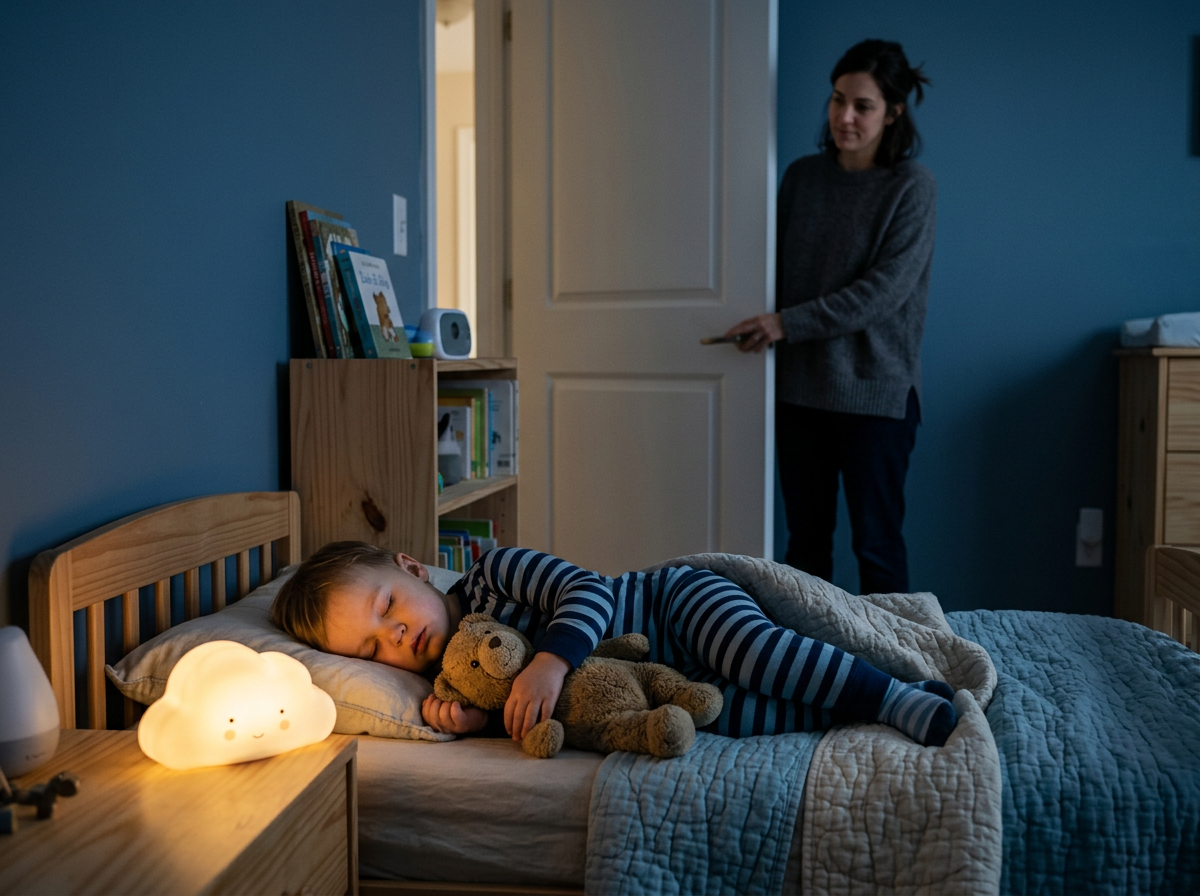
Sometimes a specific change triggers a sudden wave of resistance. When you recognize the cause, you can adjust.
The Move From Crib to Bed
When your toddler graduates to a bed, they suddenly have freedom to leave it. Keep the routine identical, make the room safe, and consider a gate at the door. Meanwhile, praise every night they stay put.
Nap Transitions
If bedtime battles appear right as your child drops a nap, adjust the timing. A slightly earlier bedtime for a week or two can bridge the gap while your toddler adapts to fewer daytime hours of sleep.
A New Baby or a Big Life Change
A new sibling, a move, or a new school can unsettle even confident sleepers. In these cases, extra daytime connection and a steady routine usually restore peace within a few weeks.
Fear of the Dark
Respect the fear rather than dismissing it. Add a dim nightlight, check the room together for "monsters," and offer a comfort object. Over time, your child's confidence will grow along with their understanding of the world.
When to Ask for Extra Support
Most toddler bedtime battles improve with consistency. However, you should seek help if bedtime routinely lasts more than an hour, your child wakes many times each night, or the struggle leaves everyone exhausted and frustrated. Likewise, talk with your pediatrician if you notice loud snoring, pauses in breathing, or daytime behavior that seems extreme, because these signs can point to a medical issue.
If you simply feel stuck, a gentle sleep coach can give you a personalized plan. Because every toddler has a different temperament, a customized approach often works faster than trial and error.
Conclusion
Toddler bedtime battles can make even the most patient parent feel worn down. Yet these struggles are a normal part of growing up, and they do not last forever. When you understand the causes, such as independence, anxiety, timing, and fear, you can respond with empathy instead of frustration. Then, with a predictable routine, small choices, and calm, consistent limits, you can turn bedtime into a peaceful close to your child's day. Stay patient with your toddler, and stay patient with yourself. Better nights are closer than they feel right now.
Frequently Asked Questions (FAQ)
-
Toddlers fight bedtime because they want independence, they feel anxious about separating, or their schedule does not match their sleep needs. Overtiredness and fears also play a big role. Once you identify the cause, small changes to timing, routine, and responses usually reduce the resistance.
-
Most toddlers move through intense bedtime resistance in a few weeks, especially when parents stay consistent. However, new changes such as a nap drop, a new bed, or a new sibling can bring the struggle back temporarily. Consistency shortens each phase.
-
You do not need to leave your toddler alone to cry. Many families prefer gentle methods that offer calm reassurance while they hold a clear limit. The best approach depends on your child's temperament and your family values, and a gentle sleep coach can help you choose.
-
Stay calm and walk your child back to bed with minimal words and little interaction. Repeat this as many times as needed. Because the response stays boring and consistent, most toddlers stop testing the limit within several nights.
-
Yes, if it works for your family. However, children who fall asleep with a parent beside them often need the same help when they wake overnight. If you want your toddler to fall asleep independently, you can gradually move your presence farther from the bed over a few weeks.
-
Contact your pediatrician if your toddler snores loudly, struggles to breathe at night, or shows extreme daytime fatigue or behavior changes. Likewise, consider professional support if bedtime regularly lasts more than an hour and nothing you try seems to help.
Ready to End Toddler Bedtime Battles for Good?
You do not have to figure out toddler sleep alone. Sleep Child O' Mine offers gentle, evidence-based, nonjudgmental sleep coaching tailored to your child's age, temperament, and your family's goals. We help parents replace nightly standoffs with calm routines and restful nights, so everyone wakes up happier.
Visit Sleep Child O' Mine today to learn how personalized support can bring peace back to your evenings. You are not failing. You are just exhausted, and we are here to help.
