
Is It Safe for Newborns to Sleep With a Pacifier? Find Out What Every Parent Should Know
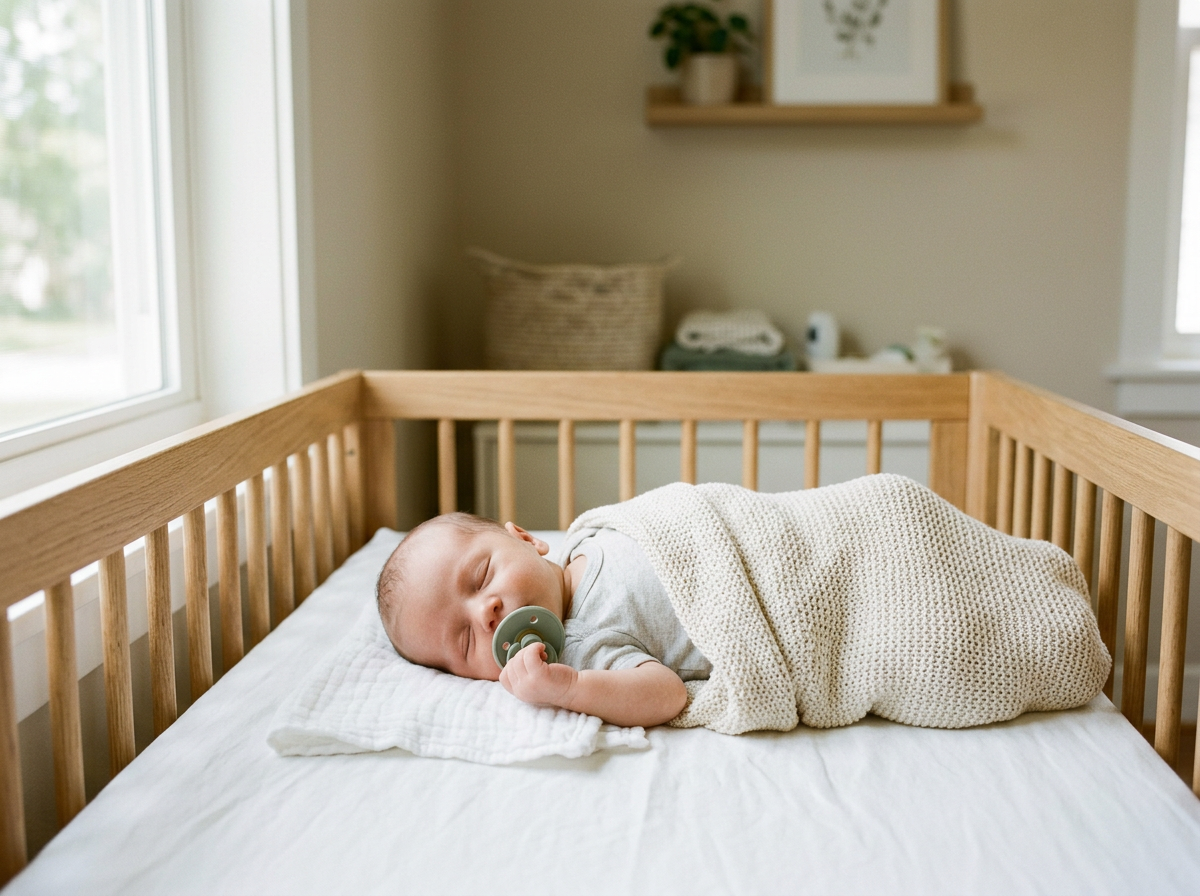
Wondering if it's safe for your newborn to sleep with a pacifier? This guide walks you through the benefits, the risks, and the research so you can make a confident, informed choice for your little one's bedtime routine.
Understanding Pacifiers: What Every Parent Should Know First
A pacifier, also called a binky, soother, or dummy, gives your baby something safe to suck on between feedings. Parents rely on this small, nipple-shaped tool because it mimics the natural sucking reflex that helps infants feed and self-soothe. Most pacifiers use rubber, silicone, or plastic, and manufacturers build a wide shield into the design so your baby cannot swallow or choke on it. Because of this simple function, pacifiers remain one of the most popular sleep aids parents reach for during the newborn stage.
Parents have used pacifier-like objects for centuries. Early caregivers fashioned soothers from clay, bone, and even ivory, while today's manufacturers prioritize hygiene and safety with smooth edges and easy-to-clean materials. Even so, pacifiers still spark debate among parents and pediatricians alike. Some caregivers swear by them, while others worry about dependency, dental changes, or interference with breastfeeding.
This guide answers the central question many new parents ask: is it safe for newborns to sleep with a pacifier? We will walk through the benefits, the risks, the SIDS research, and the safety guidelines you need, moving from the basics toward the specific details that matter most for your baby's nighttime routine.
Is It Safe for Newborns to Sleep With a Pacifier? The Short Answer
Yes, most pediatric health organizations agree that it is safe for newborns to sleep with a pacifier, and many actively recommend it. The American Academy of Pediatrics (AAP) lists pacifier use during sleep as one of its official recommendations for reducing the risk of Sudden Infant Death Syndrome (SIDS). Consequently, offering a pacifier at naptime and bedtime can support your baby's safety rather than threaten it.
That said, safety depends on how you use the pacifier, not simply whether you use one at all. You should never attach it to a string, clip it to a stuffed animal, or force your baby to keep sucking once they fall asleep. Instead, place your baby on their back on a firm mattress, offer the pacifier at the start of sleep, and let it fall out naturally once your baby drifts off. As a result, you gain the protective benefit without adding extra risk to the sleep environment.
The Benefits of Pacifiers for Newborn Sleep
Pacifiers soothe babies quickly, and that alone makes them valuable for exhausted parents. The sucking reflex gives newborns an innate sense of security, so offering a pacifier during a car ride, a doctor's visit, or a fussy stretch before bed often calms your baby within minutes.
Beyond soothing, pacifiers help babies fall asleep and stay asleep longer. Many newborns cannot self-soothe yet, and sucking gives them a reliable way to settle down. Therefore, parents who introduce a pacifier at bedtime often see their baby settle faster and sleep in longer stretches, which benefits the whole household.
Most importantly, research links pacifier use during sleep to a lower risk of SIDS. Experts believe the pacifier may keep the airway open and prevent your baby from slipping into an unusually deep sleep state. Because SIDS risk peaks between two and four months, this protective window makes pacifier use especially valuable during exactly the stage when many parents feel the most anxious about safety.
Potential Risks of Pacifier Use During Sleep
Despite these benefits, pacifiers carry some risks parents should weigh carefully. Dependency ranks as the most common concern: babies who need a pacifier to fall asleep may wake more often once it slips out, and this can interrupt everyone's rest.
Dental issues present another risk, particularly with extended use. If your baby uses a pacifier well past their first birthday, the habit can shift tooth alignment and change the shape of the mouth over time. Dentists call this pattern "pacifier teeth," and it sometimes requires orthodontic correction later. For this reason, most experts recommend weaning your baby off the pacifier by age two, and ideally starting the process around their first birthday.
Breastfeeding interference also deserves attention. Introducing a pacifier before breastfeeding gets established can cause nipple confusion, which may reduce how often your baby nurses and, in turn, lower your milk supply. To avoid this outcome, wait until breastfeeding feels steady and consistent, usually around three to four weeks, before you offer a pacifier.
What the Research Says About Pacifiers and SIDS
Researchers have studied the pacifier-SIDS connection extensively, and the findings consistently favor pacifier use. One widely cited large-scale study from the medical journal Pediatrics reported a striking result: babies who used a pacifier during their last sleep period showed as much as a 90 percent lower SIDS risk. Notably, this protective effect held true regardless of other factors like sleep position or bedding type.
Scientists have not pinned down the exact mechanism, but they propose a few explanations. Some believe the pacifier keeps the airway open; others think the sucking motion helps regulate breathing and arousal patterns, making it easier for your baby to wake from a dangerously deep sleep. Meanwhile, a pacifier in your baby's mouth may simply make it harder for them to roll onto their stomach, which is itself a known SIDS risk factor.
Even with this strong evidence, a pacifier does not replace other safe sleep practices. You should still place your baby on their back, use a firm mattress, and keep soft bedding, pillows, and toys out of the crib. When you combine these habits with pacifier use, you give your baby the strongest possible protection.
Guidelines for Safe Pacifier Use
Follow a few key guidelines to keep pacifier use safe and effective. First, choose a pacifier that fits your baby's current age range and meets safety standards set by the Consumer Product Safety Commission (CPSC) or the American Society for Testing and Materials (ASTM).
Next, wait until breastfeeding feels established, typically three to four weeks in, before you introduce the pacifier. If you bottle-feed, you can introduce it earlier, though you should still track your baby's feeding patterns closely.
You should also keep the pacifier clean and replace it at the first sign of wear. Wash it with warm, soapy water regularly, and never tie it to your baby's clothing with a string or cord, since this creates a strangulation hazard. Use a short, baby-safe pacifier clip instead.
Finally, start weaning your baby off the pacifier around their first birthday, and aim to stop use entirely by age two. Offer alternative comfort objects, such as a soft blanket, so your baby has another way to self-soothe as they transition away from the pacifier.
When to Introduce a Pacifier to Your Newborn
Timing matters just as much as technique. If you breastfeed, wait until nursing feels well established, usually around three to four weeks, before you offer a pacifier. This gives your baby time to build a strong latch and ensures they get enough milk before sucking on a pacifier enters the mix.
If you bottle-feed, you can introduce a pacifier at any point, though you should still watch your baby's feeding cues closely so a pacifier doesn't replace a needed feeding. Offer the pacifier when your baby feels calm rather than frantic or hungry, since this builds a positive association and makes acceptance easier. If your baby refuses it at first, try again later or experiment with a different shape, because persistence often pays off.
How to Choose the Right Pacifier for Your Baby
Picking the right pacifier can make a real difference in comfort and safety. Start with the age label on the packaging, since sizing changes as your baby grows and an ill-fitting nipple raises choking risk.
Next, consider the nipple shape. Orthodontic designs support natural tooth and gum development, while rounded and flat shapes work well for babies who show a clear preference. Similarly, think about material: silicone holds up well, cleans easily, and resists odors, while latex feels softer but wears out faster and can trigger allergies in some babies.
Finally, check the shield. It should sit wide enough to prevent your baby from getting the whole pacifier into their mouth, and it needs ventilation holes so air can circulate and reduce skin irritation. Look for the CPSC and ASTM safety marks before you buy.
Alternatives to Pacifiers for Soothing Newborns
Pacifiers work well, but they aren't your only option for calming a newborn. Swaddling wraps your baby snugly and recreates the secure feeling of the womb, which often reduces the startle reflex that disrupts sleep.
Gentle rocking or bouncing offers another effective option. Holding your baby and swaying back and forth mimics the motion they felt before birth, and a supervised baby swing or bouncer can achieve a similar effect. Likewise, white noise machines or apps recreate the whooshing sounds of the womb and drown out household noise that might otherwise wake your baby.
You can also introduce a safe comfort object, like a soft blanket, once your baby reaches an appropriate age under current safe sleep guidelines. Whichever method you choose, always follow up-to-date safe sleep recommendations to protect your baby overnight.
Expert Insights: What Pediatricians Say About Pacifier Safety
Healthcare professionals generally support safe, well-timed pacifier use. Pediatricians consistently point to the SIDS-reduction data as one of the strongest reasons to offer a pacifier at sleep time, and they typically recommend waiting until breastfeeding is established first.
Pediatric dentists add an important caveat: prolonged use raises the risk of misaligned teeth and changes in mouth shape. As a result, most dental experts recommend weaning by age one and stopping entirely by age two. They also suggest orthodontic-style pacifiers, since these support your baby's natural dental development better than standard shapes.
Together, these expert opinions point to one conclusion: pacifiers offer real safety benefits, but responsible use matters just as much as the decision to use one at all.
Conclusion: Making the Right Sleep Choice for Your Baby
So, is it safe for newborns to sleep with a pacifier? Based on current research and pediatric guidance, the answer is yes, provided you follow safe sleep practices and age-appropriate weaning. Pacifiers soothe your baby, support longer sleep stretches, and meaningfully lower SIDS risk when you use them correctly.
Still, you should weigh the potential for dependency, dental changes, and breastfeeding interference against these benefits. Consider your baby's individual temperament, talk with your pediatrician, and choose the approach that fits your family best. Ultimately, no single method works for every baby, so trust your instincts as you build a safe, comforting sleep routine.
Frequently Asked Questions (FAQ)
-
Yes, it is safe for newborns to sleep with a pacifier every night as long as you follow safe sleep practices.
Place your baby on their back, never attach the pacifier to a string or clip near the crib, and let it fall out naturally once your baby falls asleep.
-
Most pediatricians recommend introducing a pacifier for sleep once breastfeeding is well established, usually around three to four weeks of age. If you bottle-feed, you can generally introduce it sooner, though you should still monitor your baby's feeding patterns closely.
-
No, a properly sized pacifier with a wide shield and ventilation holes will not cause choking if it falls out. Manufacturers design the shield specifically to prevent your baby from swallowing the pacifier, so a loose pacifier in the crib poses minimal risk.
-
Yes, multiple studies show that pacifier use during sleep lowers the risk of SIDS, with one major study reporting up to a 90 percent reduction. However, a pacifier works best alongside other safe sleep habits, such as back-sleeping and a firm mattress
-
Most experts recommend starting to wean your baby off the pacifier around their first birthday and stopping entirely by age two. This timeline helps prevent dental issues like misaligned teeth or changes in mouth shape.
-
If your baby refuses a pacifier, don't force it. Try offering it again later, experiment with a different shape or material, and rely on alternatives like swaddling, white noise, or gentle rocking in the meantime.


